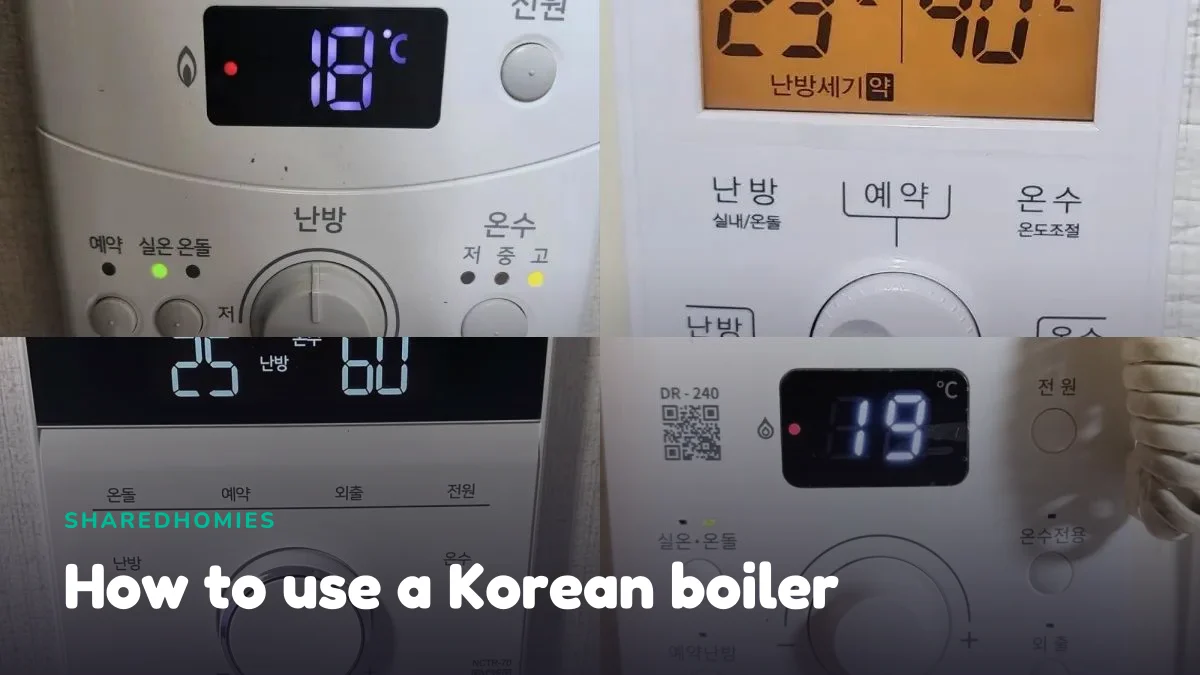
How to Use a Korean Boiler: Ondol Heating Explained, Button by Button (2026)

- Press 전원 (power), pick 실내 (room mode), set 20°C and leave it on.
- Korea's government recommends 20°C indoors; each 1°C lower saves about 7%.
- 외출 (away) is freeze protection for trips, not for a day at work.
- Our 15 Seoul houses paid a median ₩182,590 for gas in February 2026.
- Never switch a boiler off in a cold snap; frozen pipes cost far more.
To use a Korean boiler, press 전원 (power) on the wall panel, choose 실내 (room mode), set 20°C, and leave it on all winter. Lower it 1–2°C when you go out for the day. Use 외출 (away) only for trips of several days. Korean homes heat through the floor (ondol, 온돌): a gas boiler pumps hot water through pipes under your floor, so the room warms slowly and holds heat well. Switching it off and on wastes gas. Below you can find your exact panel among 30+ real photos, see every button in English, and learn what Seoul winters actually cost. February gas bills in our 15 Seoul houses ran about 12.7 times the summer level.
Which boiler panel do I have?
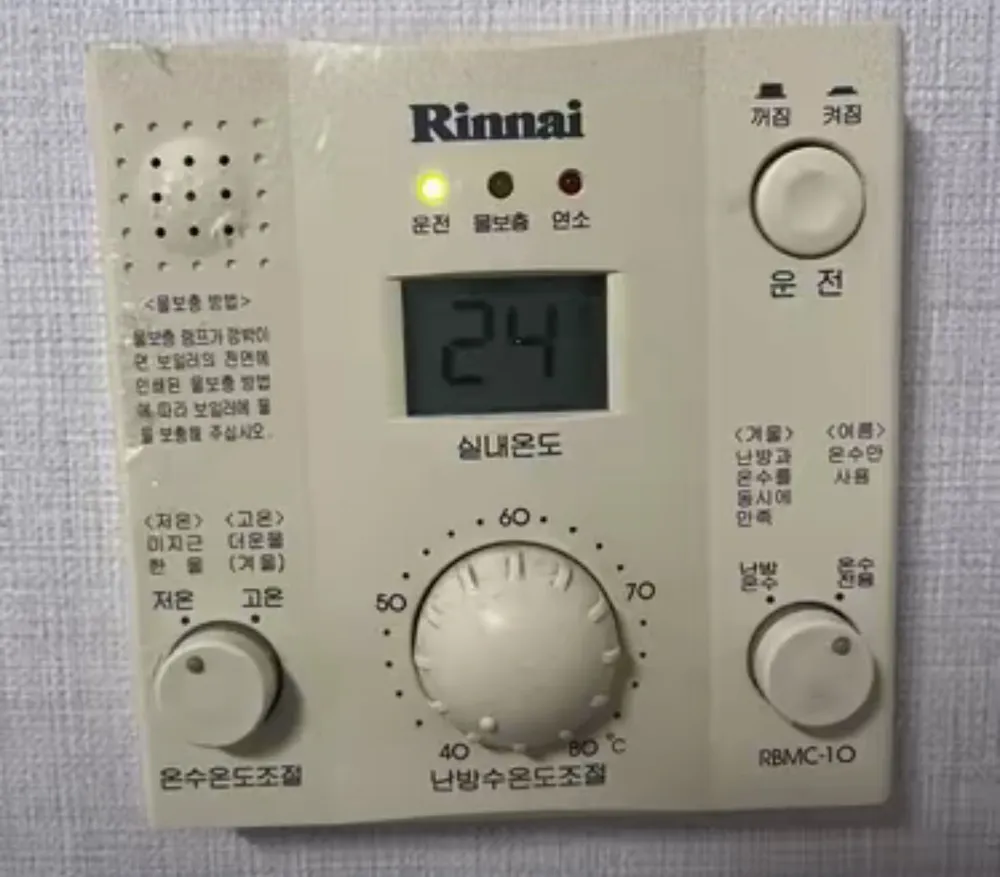
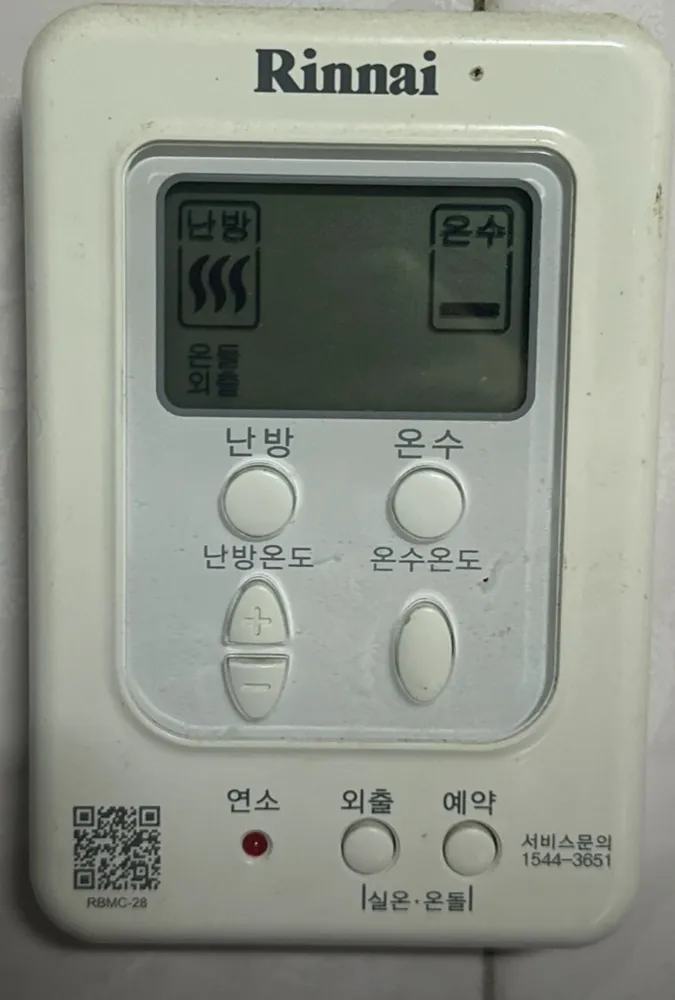
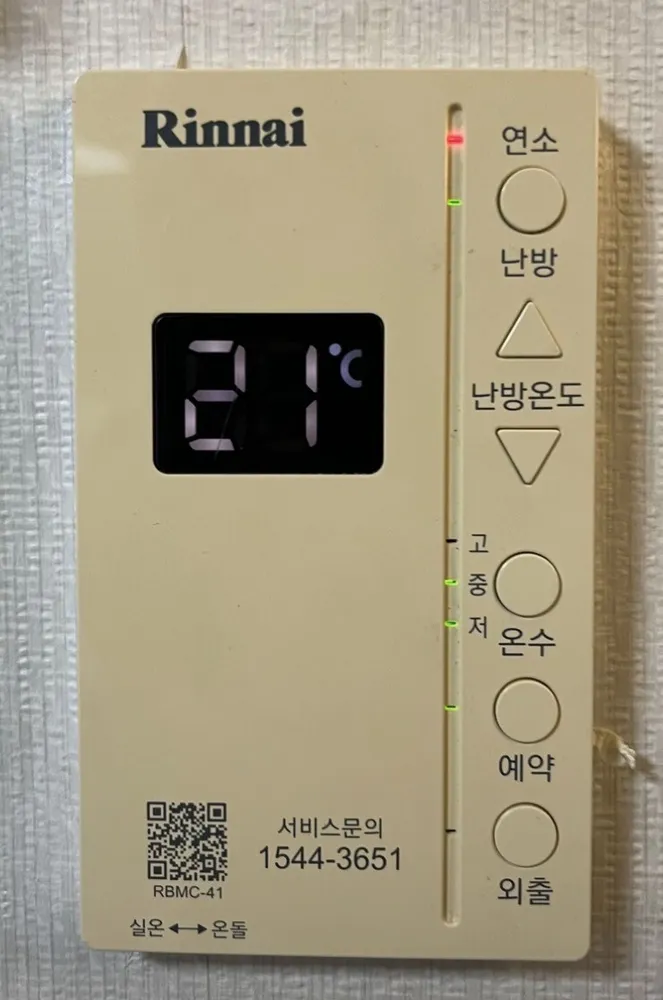
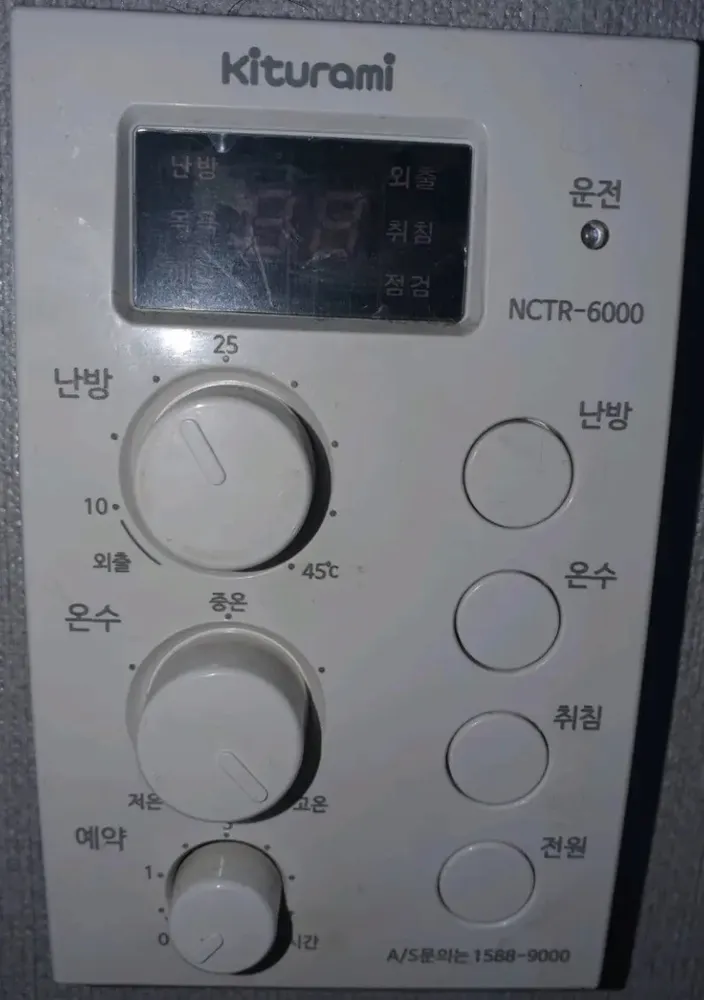
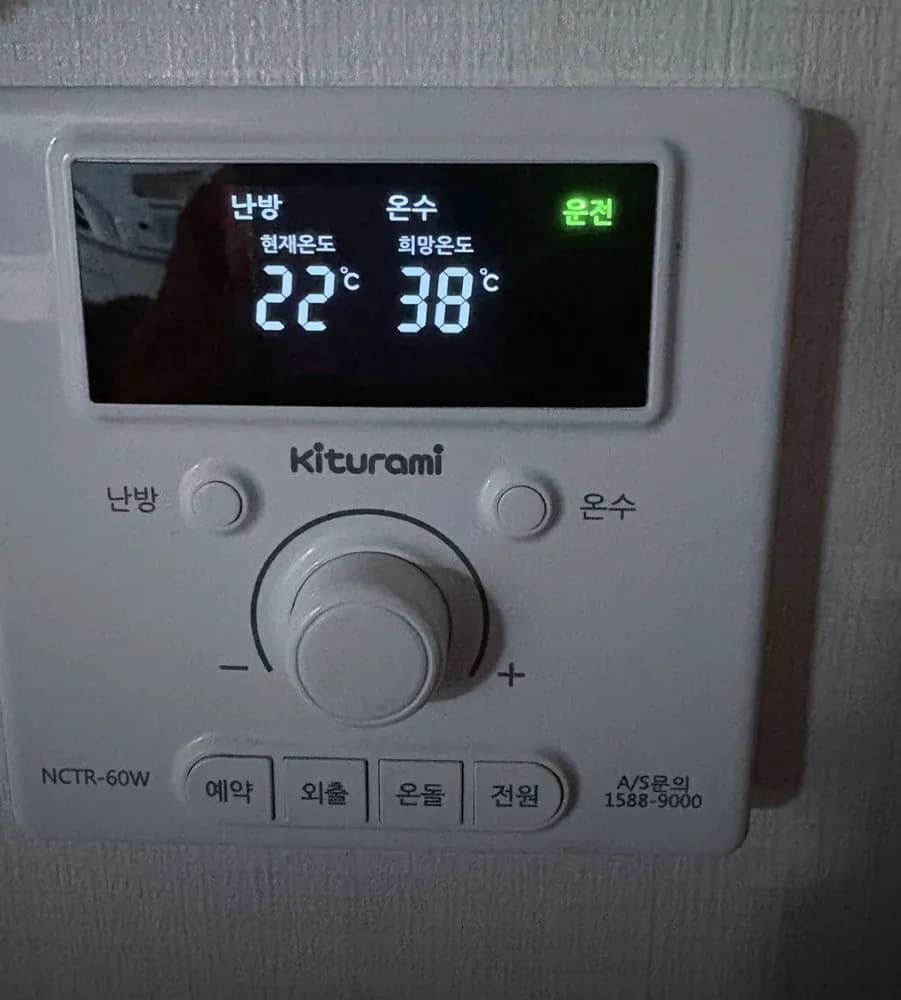
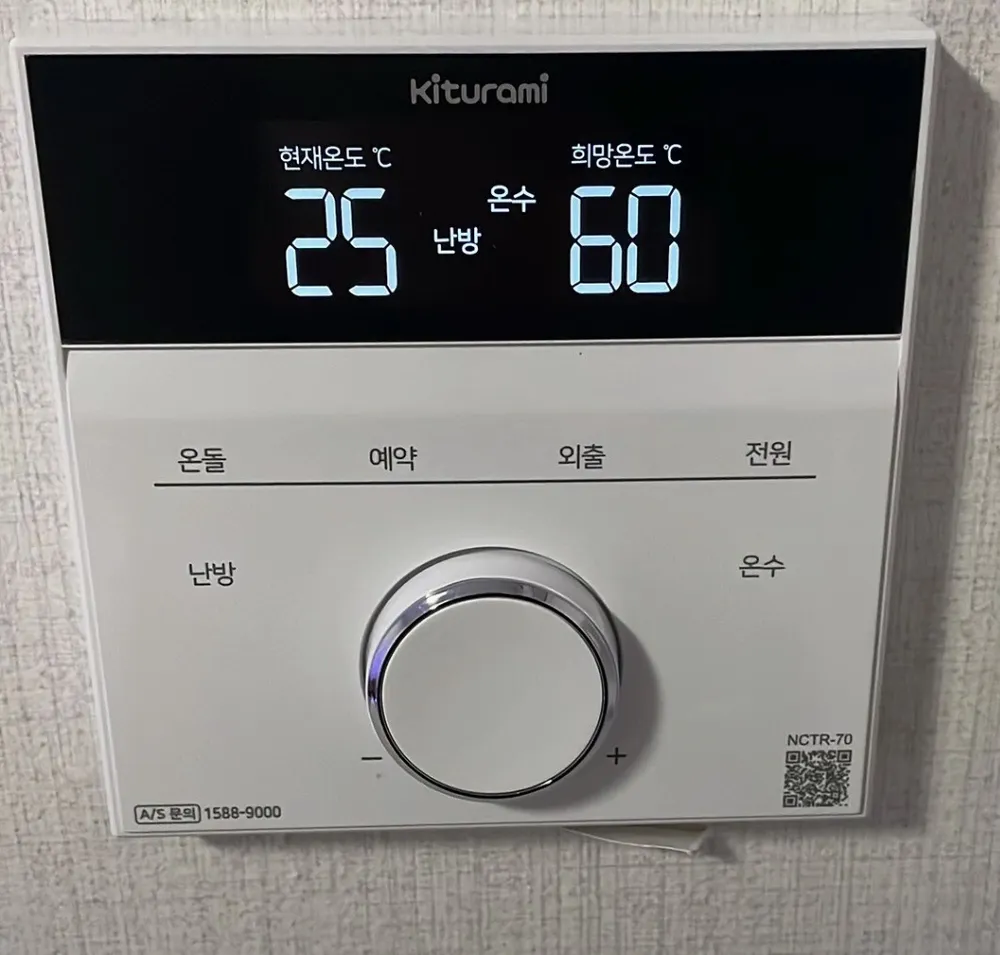
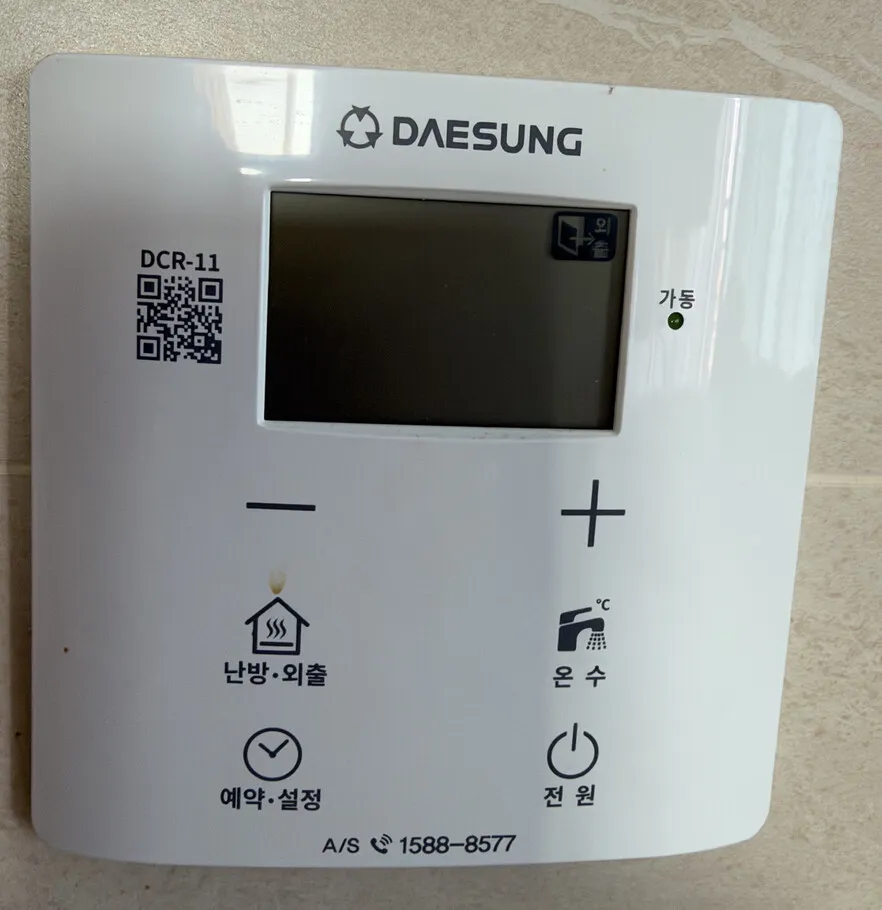
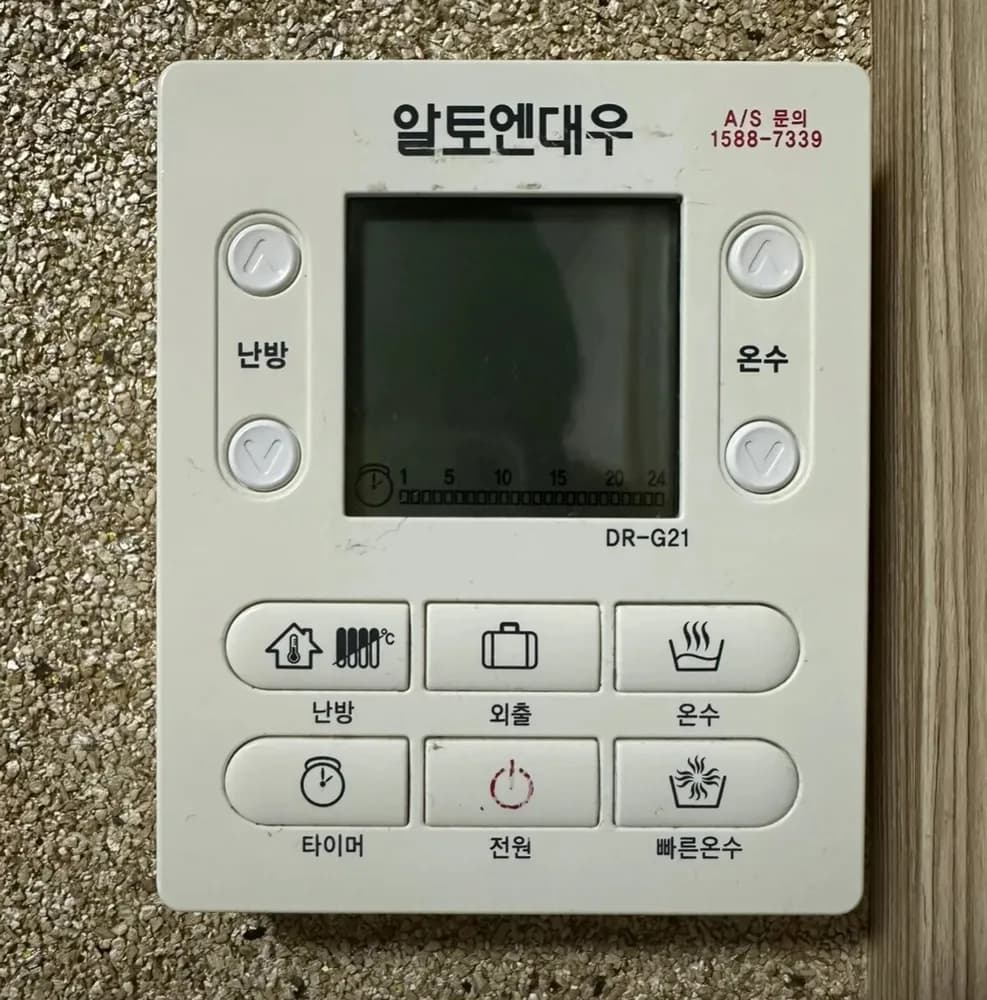
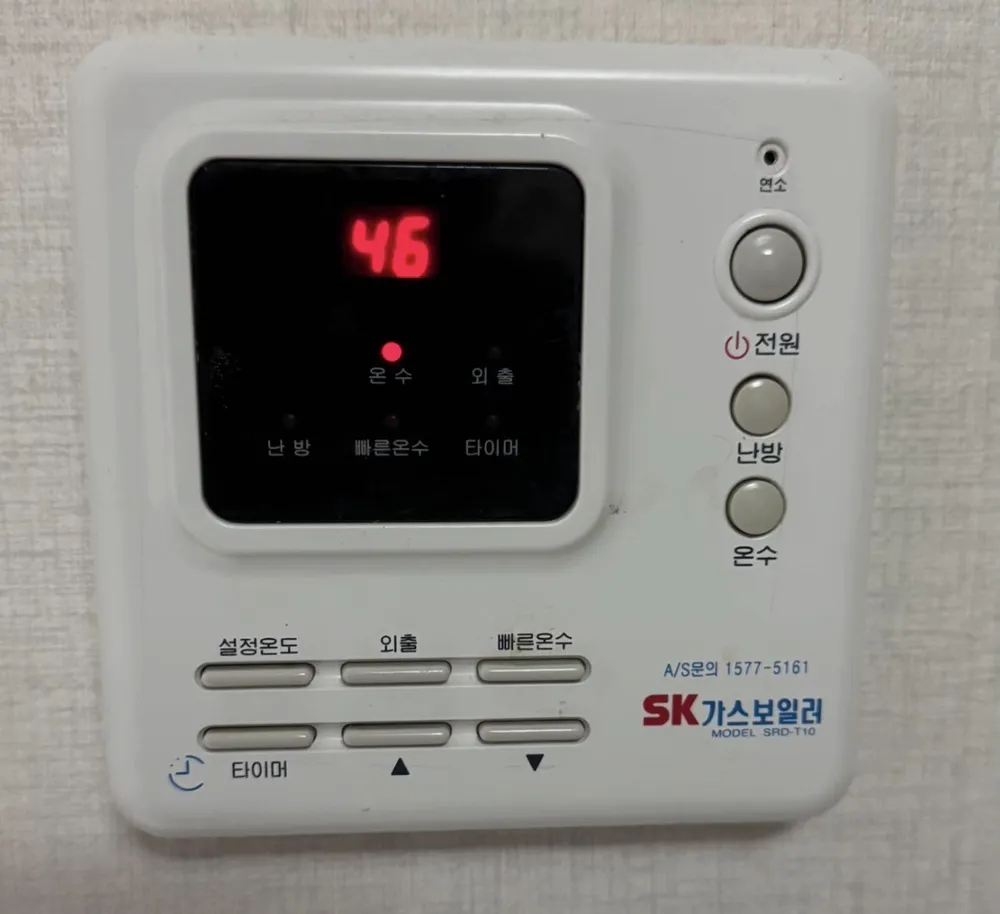
Tap the panel that looks like yours. Each page puts a number on every button of the real photo and shows press-by-press steps in English. Most homes in Korea have one of five brands: Rinnai (린나이), Navien (경동나비엔), Kiturami (귀뚜라미), Daesung Celtic (대성쎌틱) or Lotte (롯데). The brand and model number are printed on the panel, usually in a corner (for example RBMC-43 or NR-25S).
Rinnai
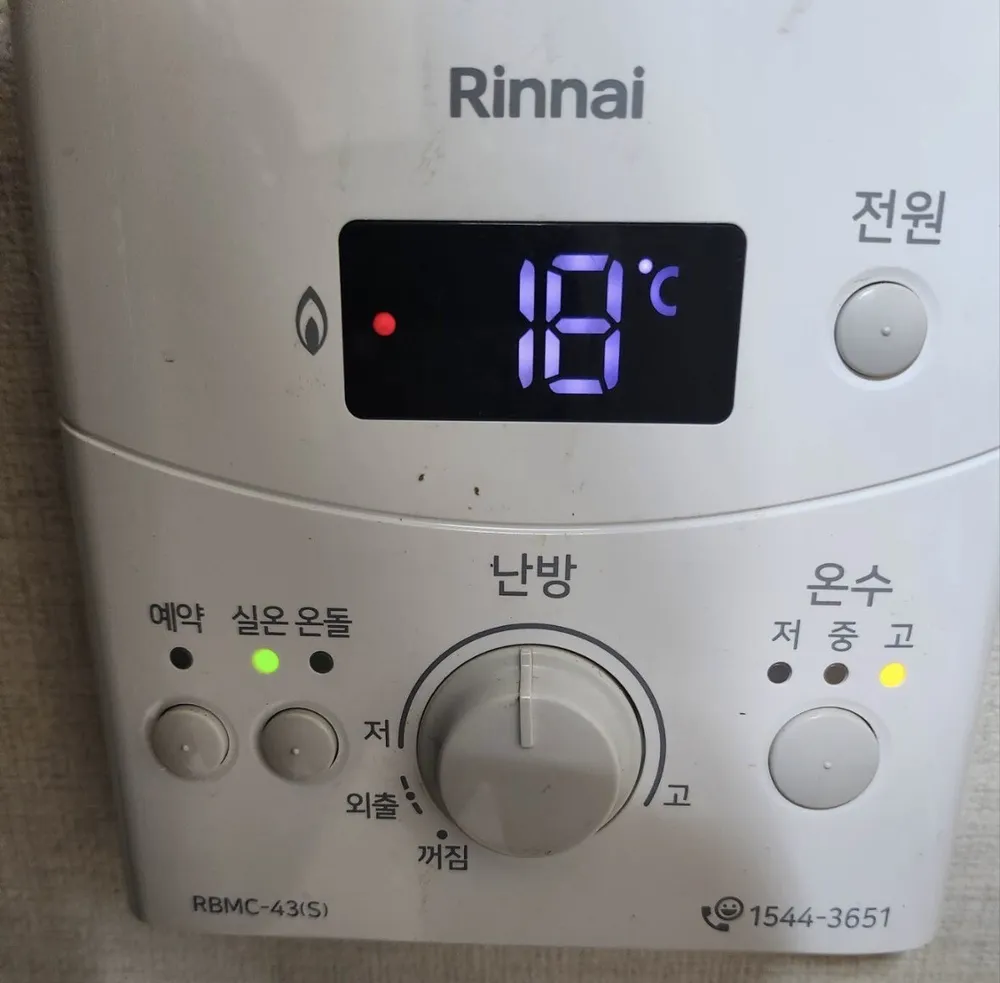
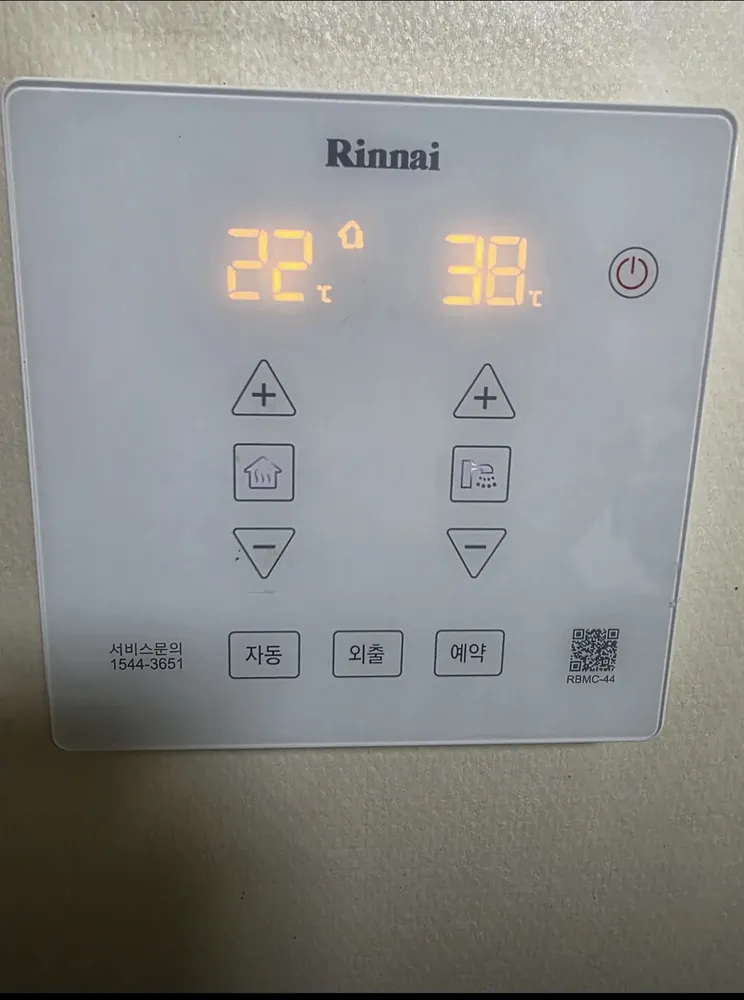
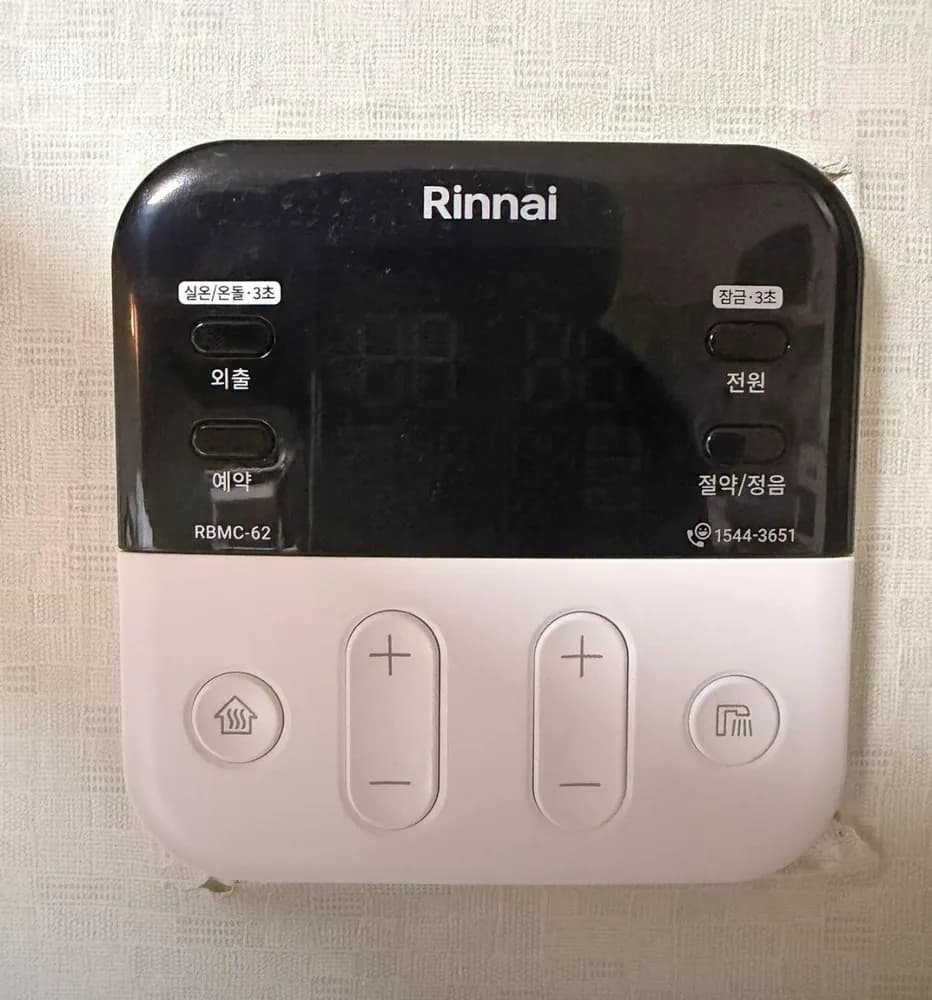
Navien
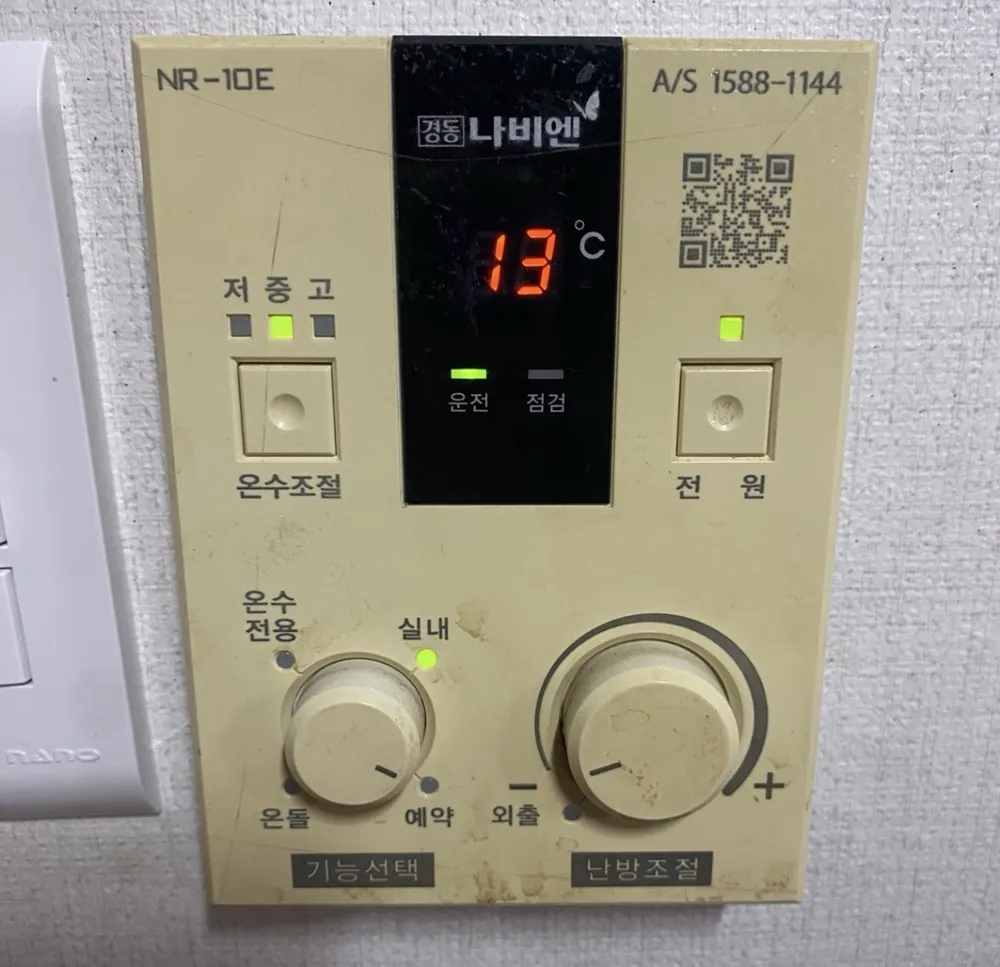
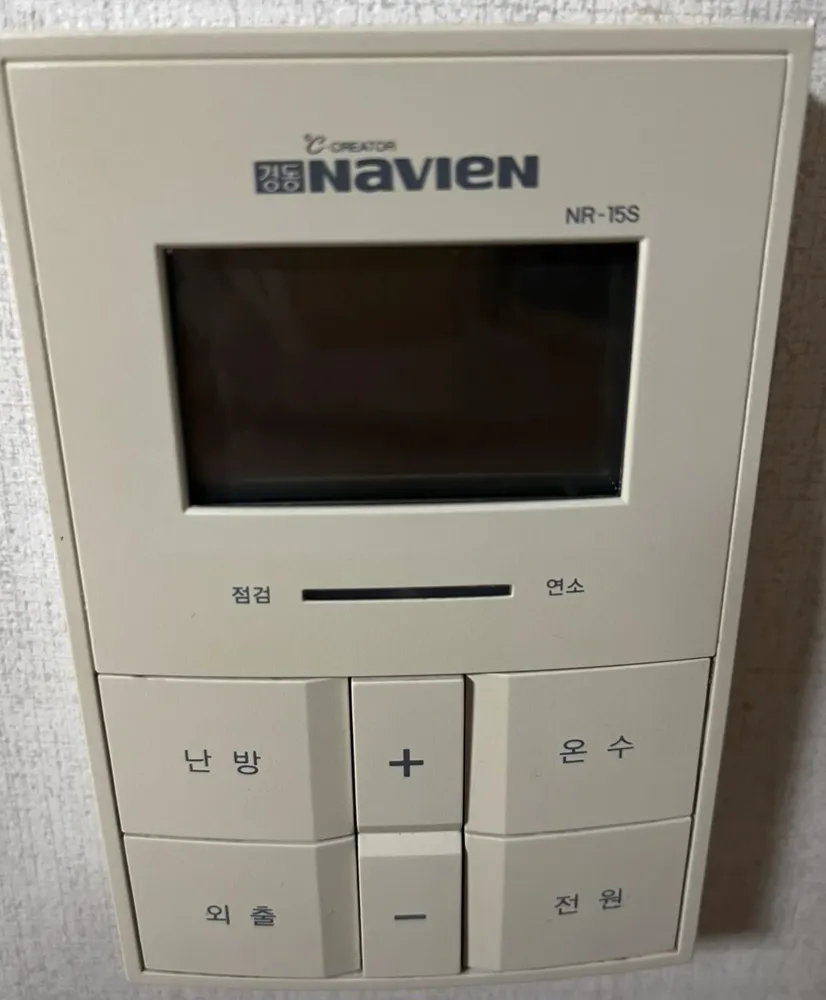
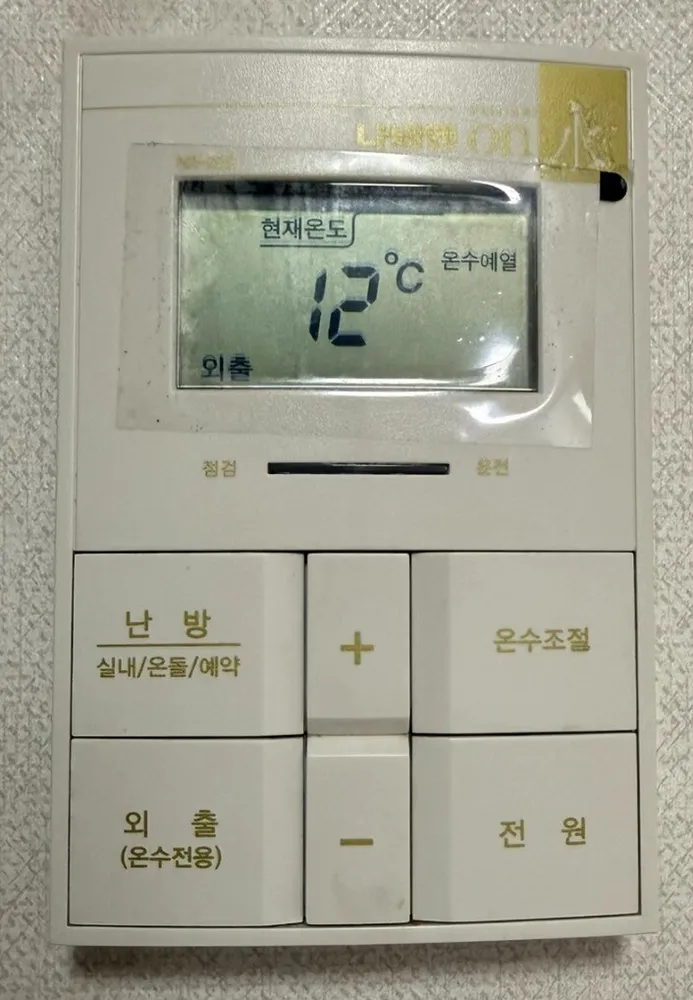
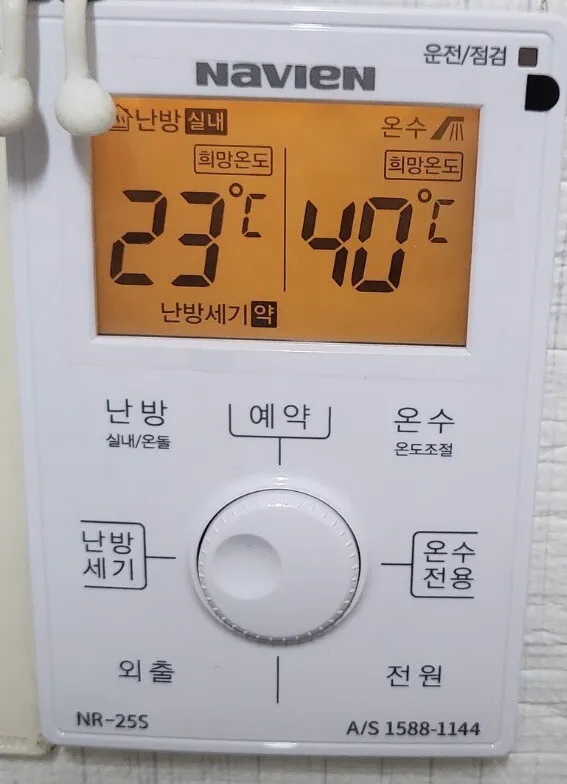
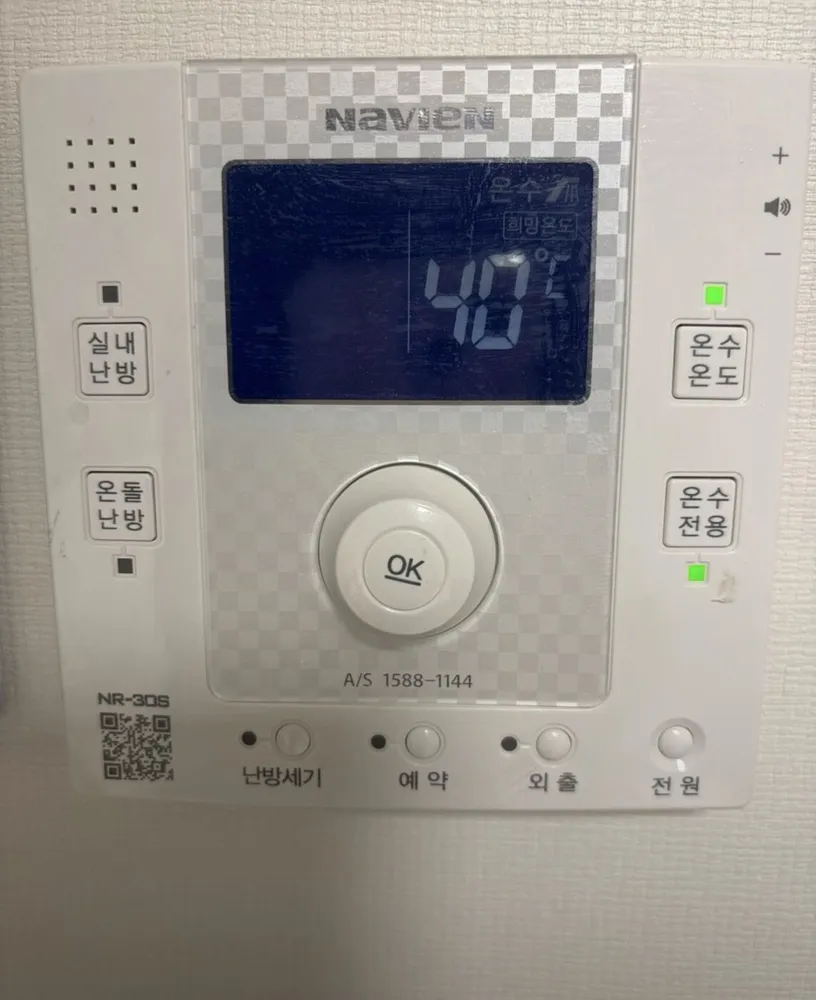
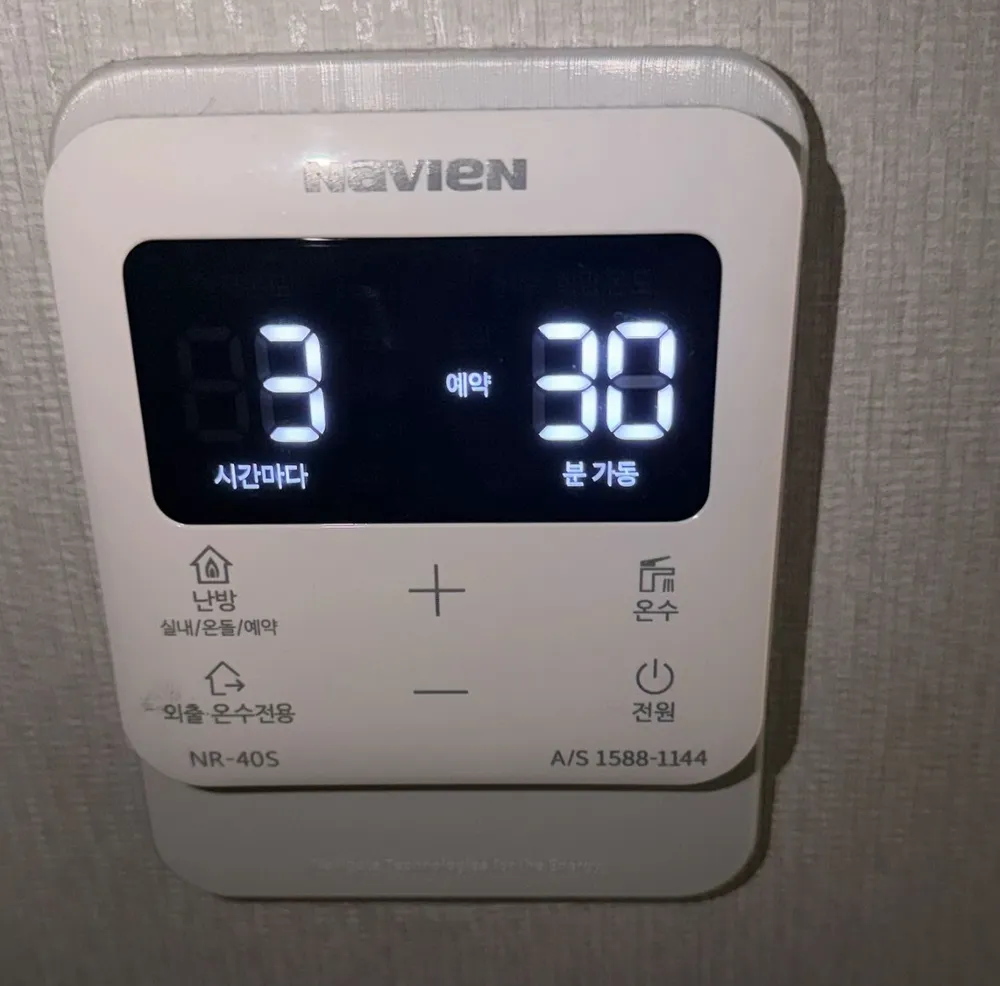
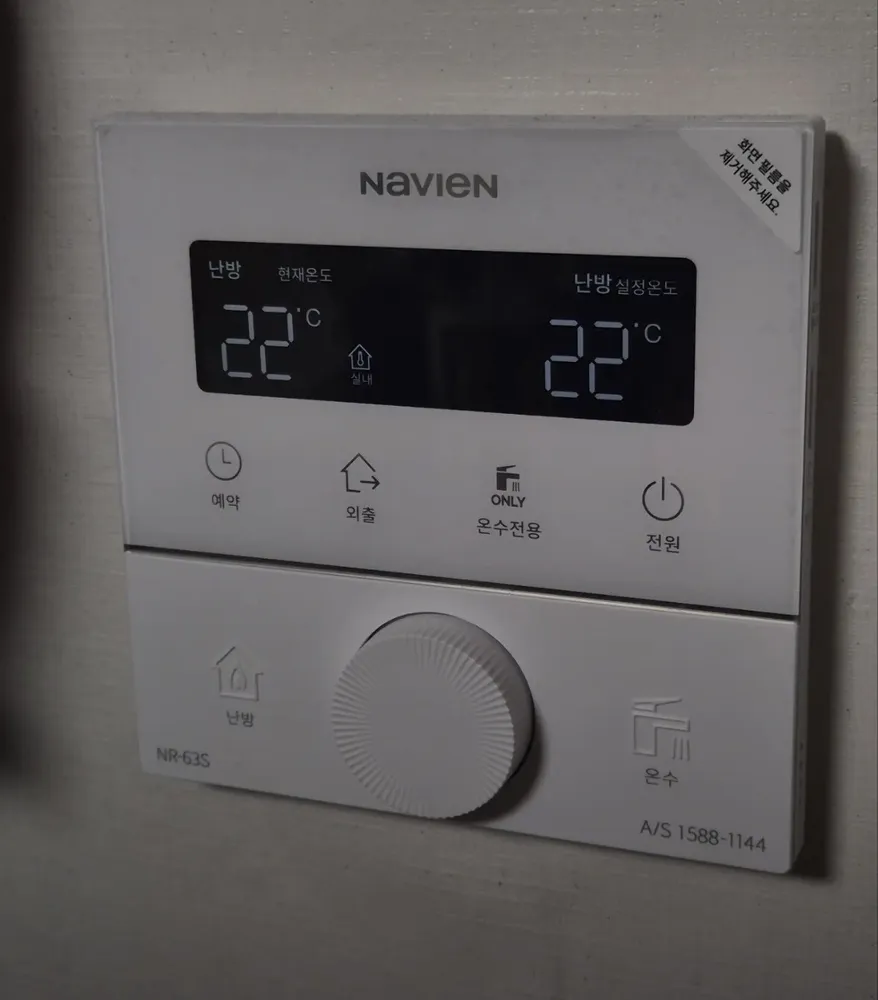
Kiturami
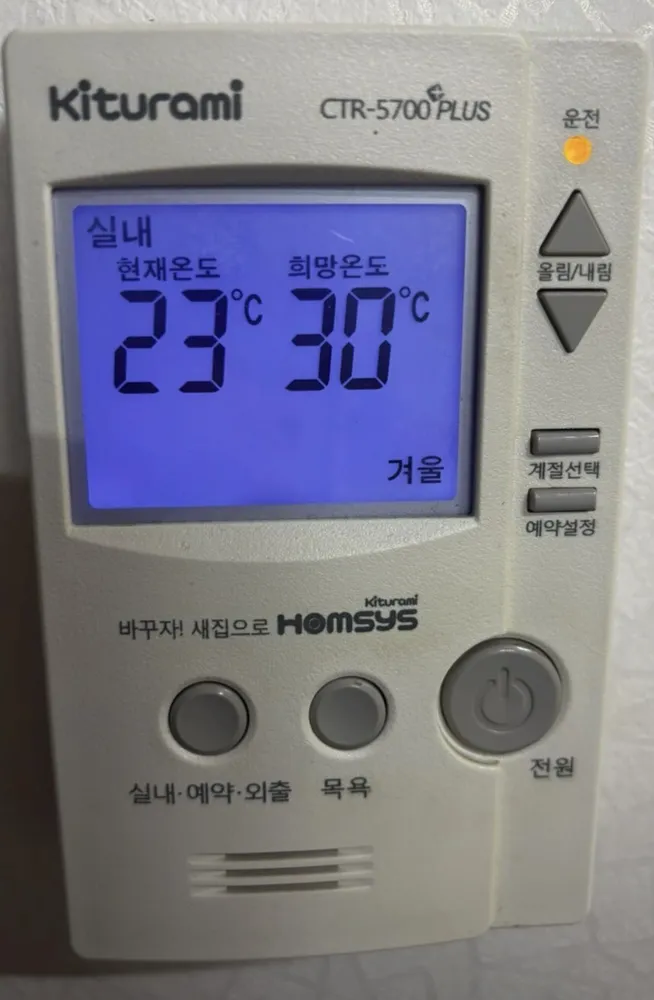
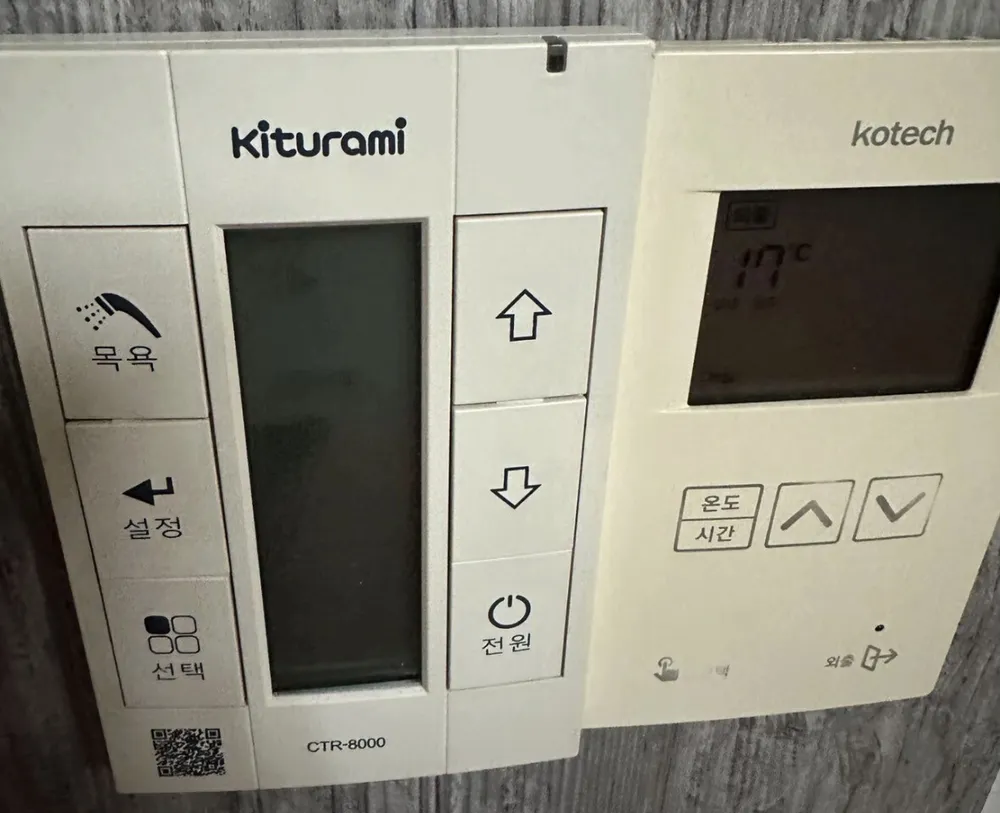
Daesung Celtic
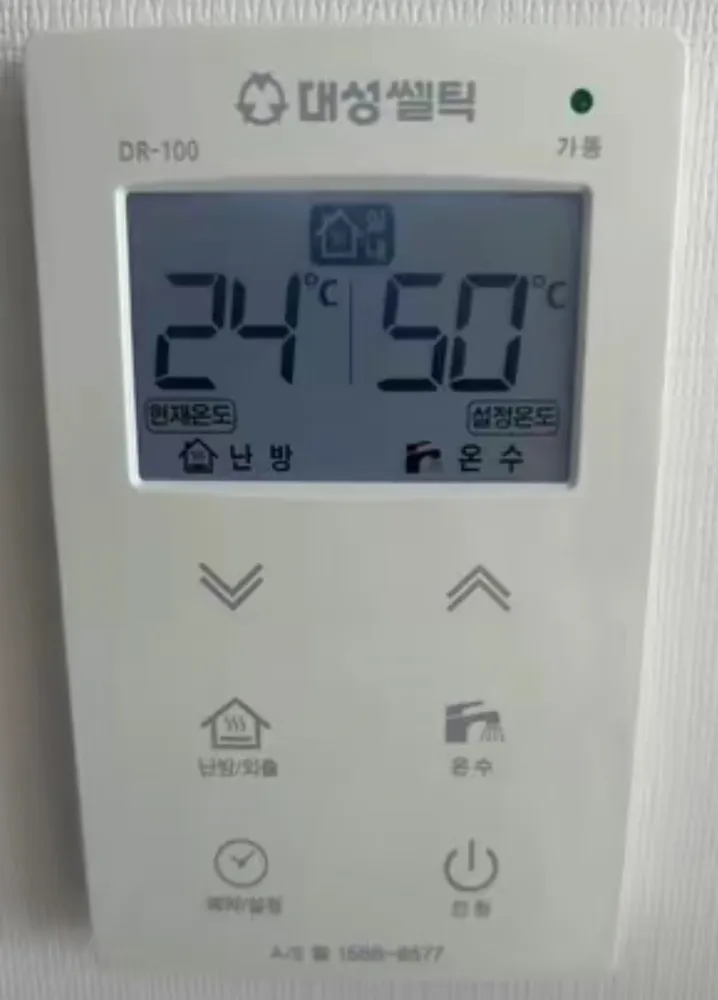
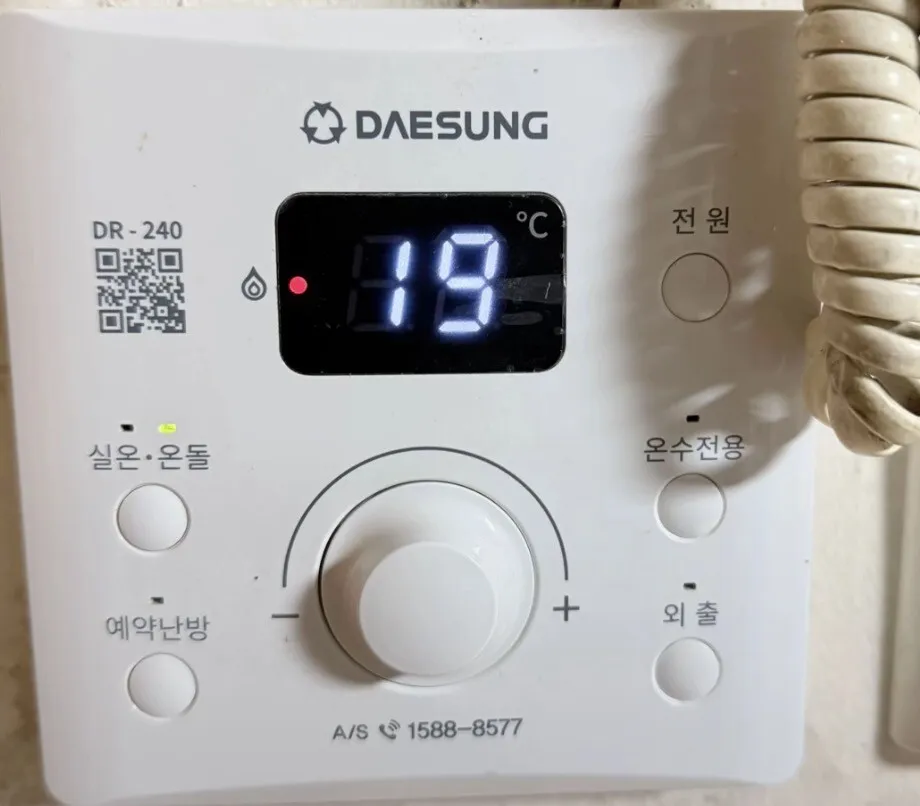
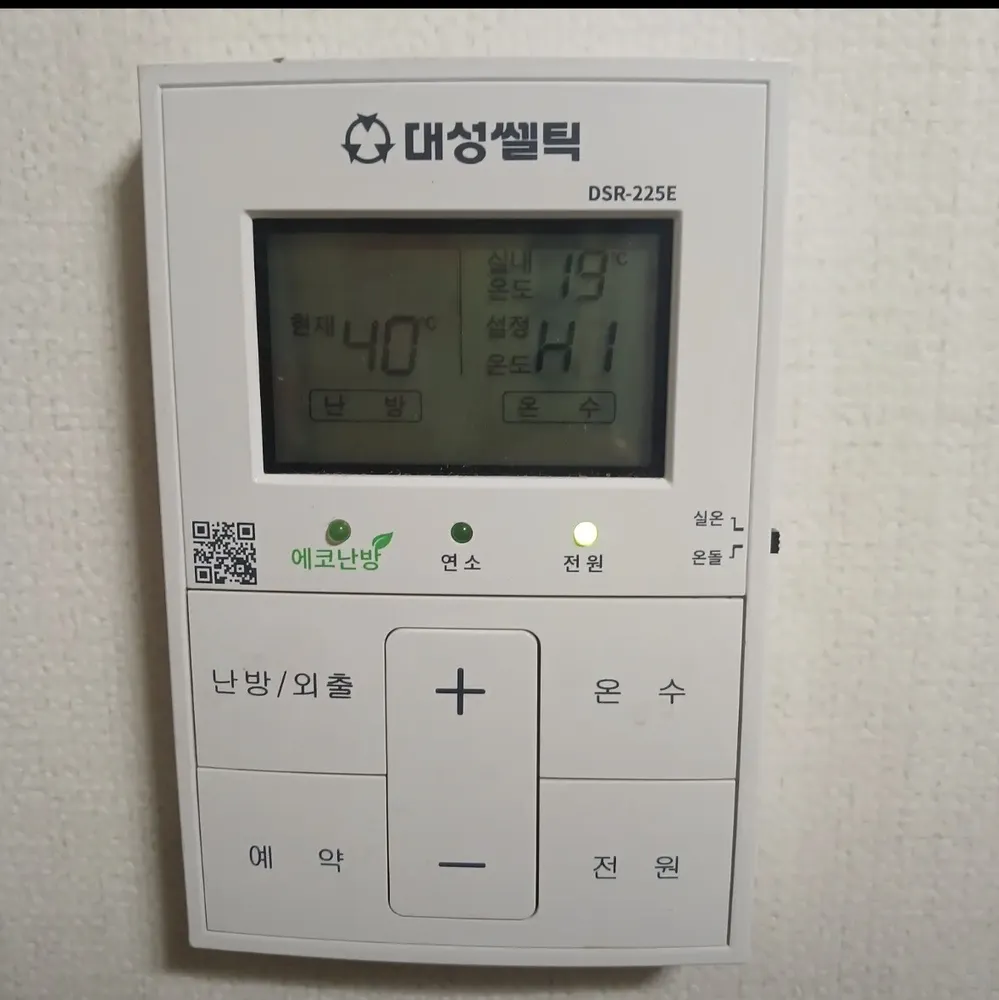
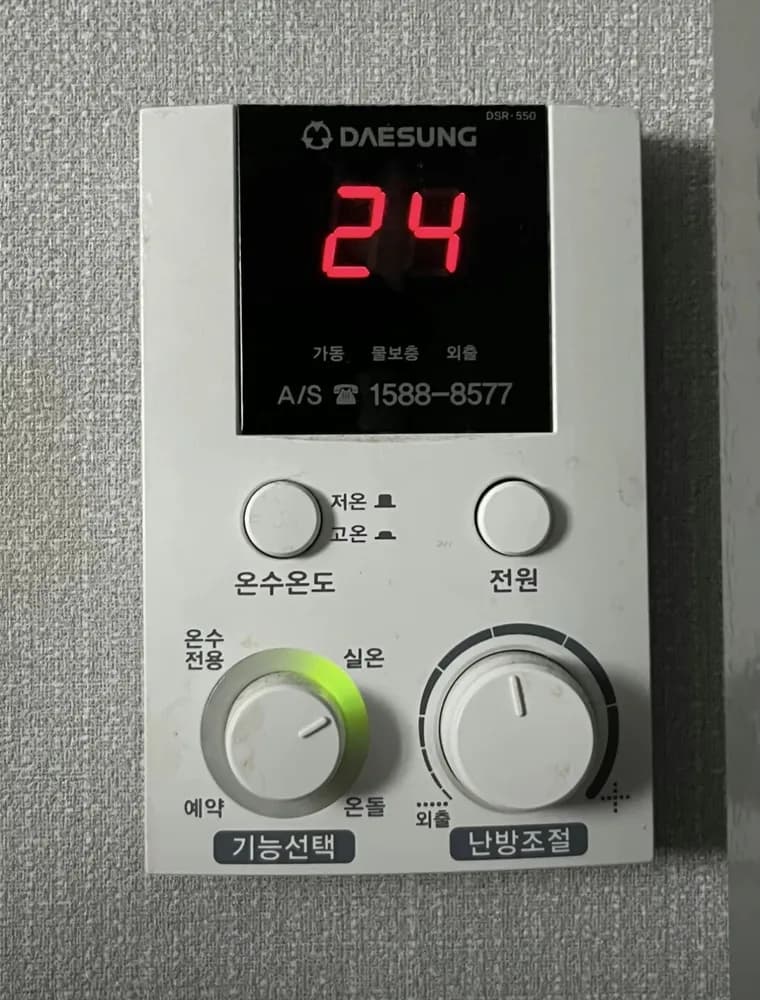
Lotte
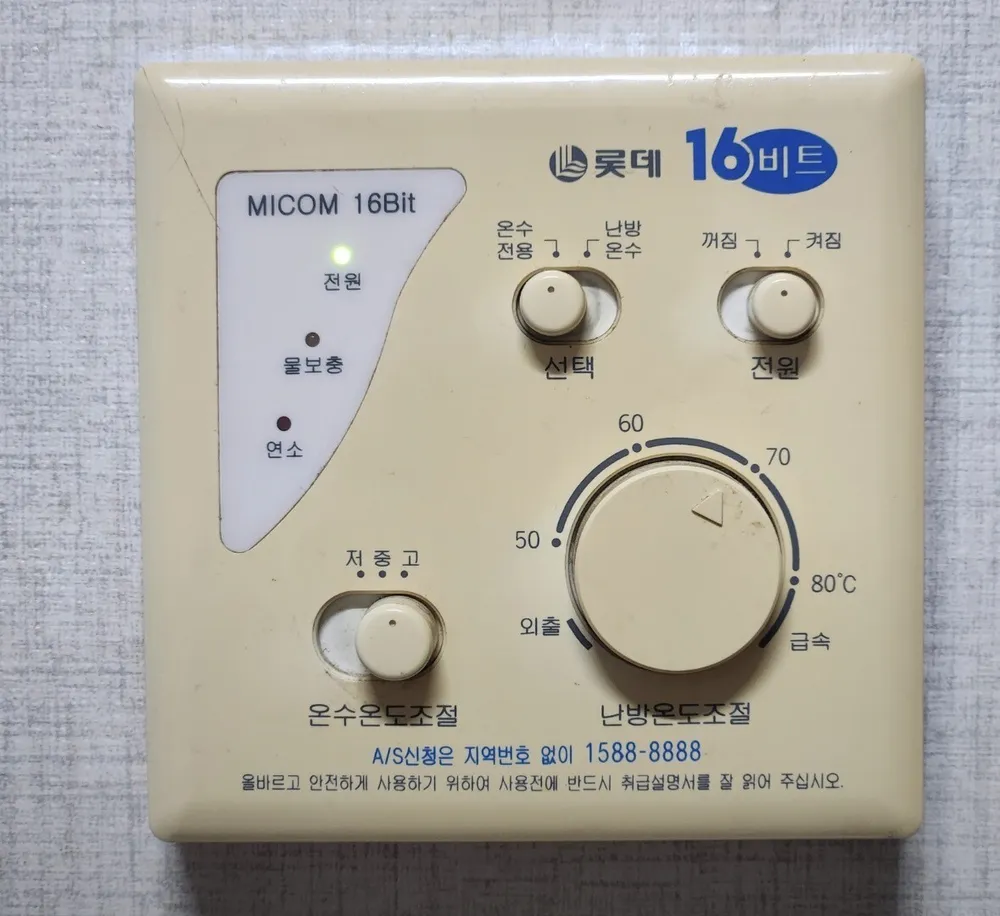
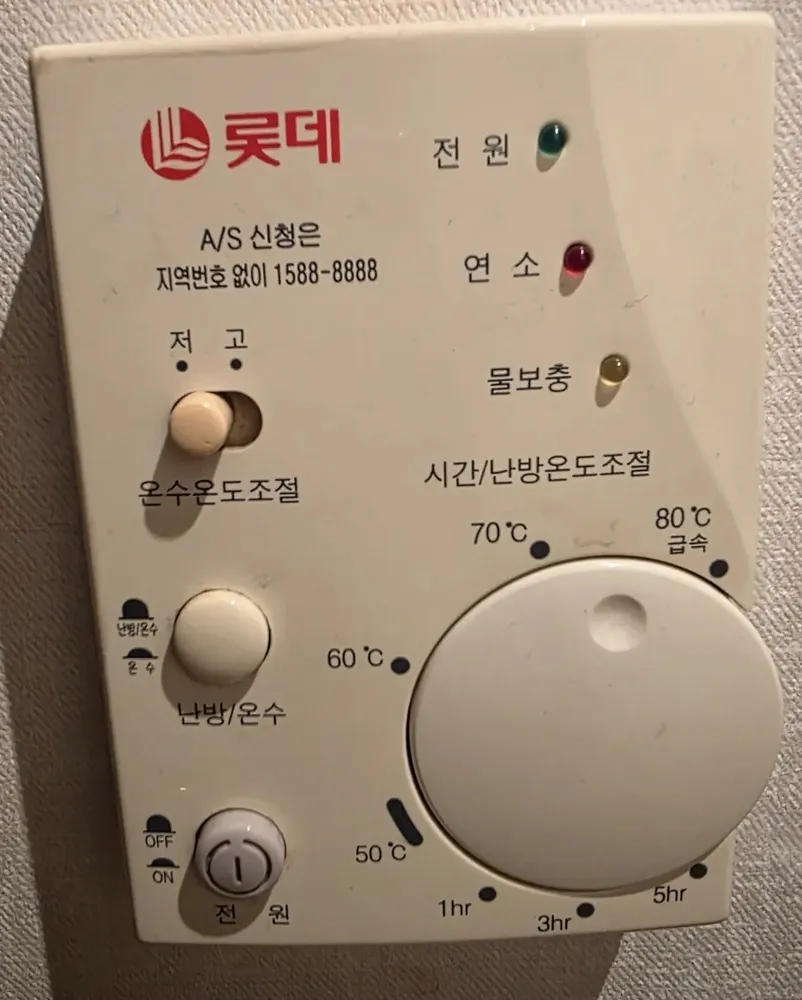
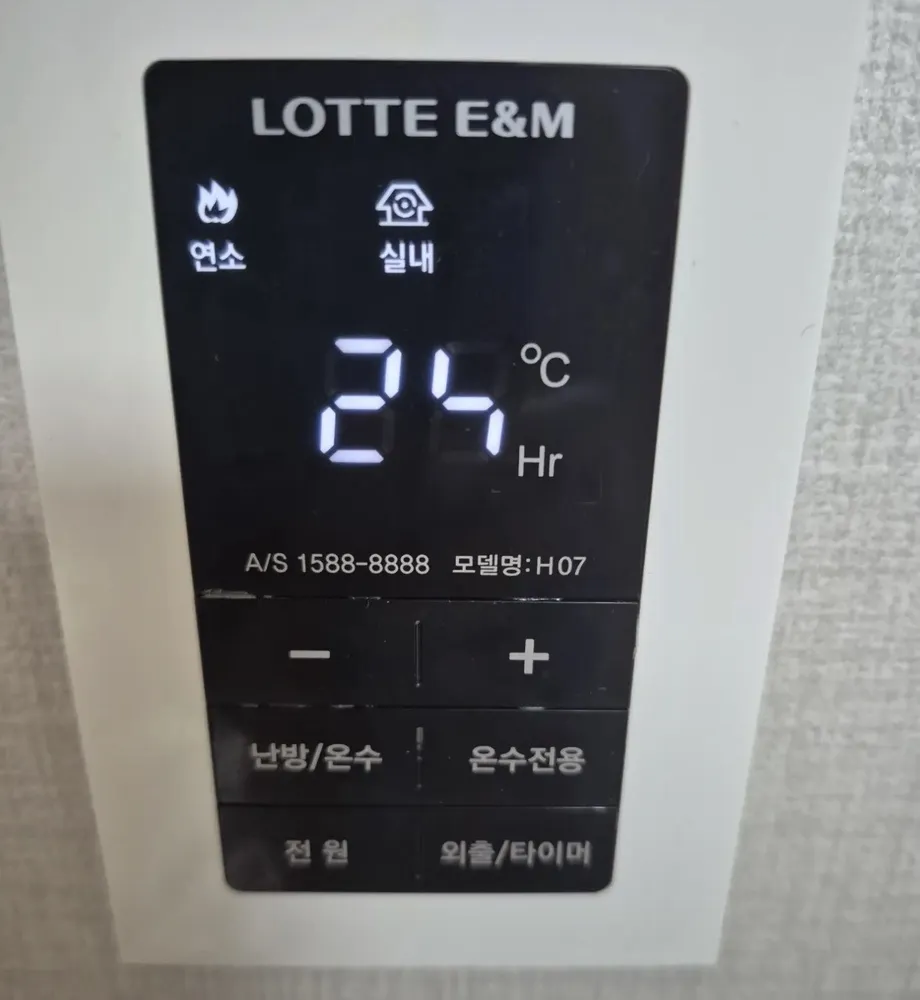
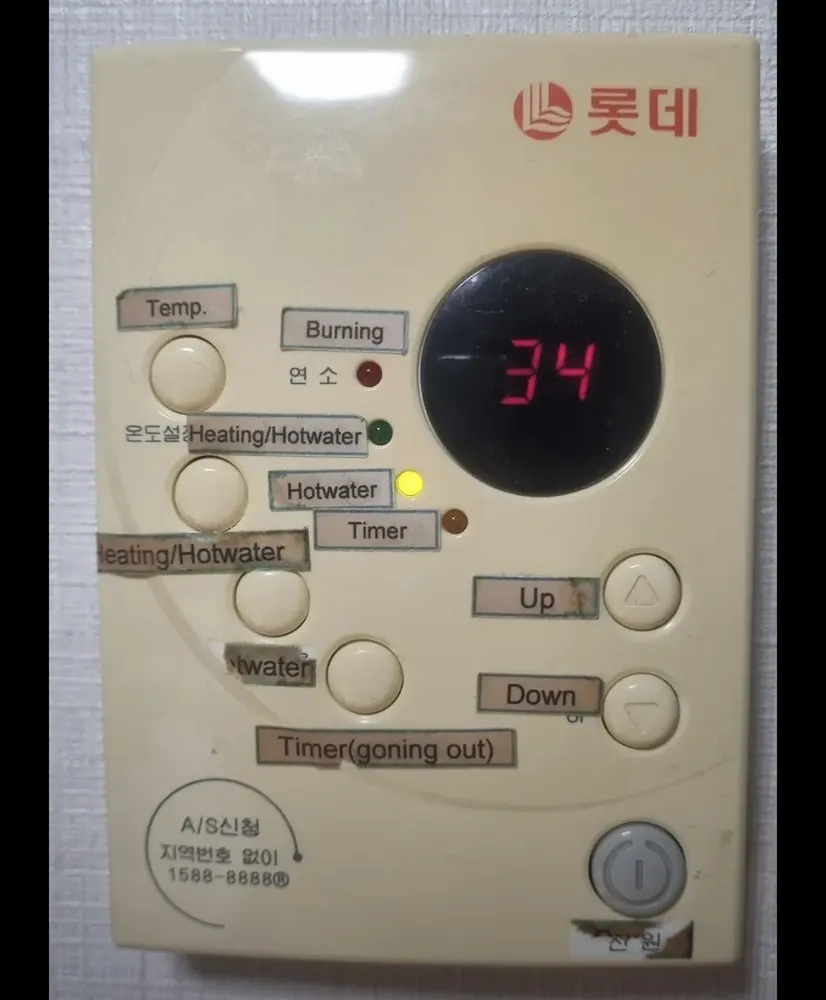
Alto&Daewoo
SK
Room thermostats & others
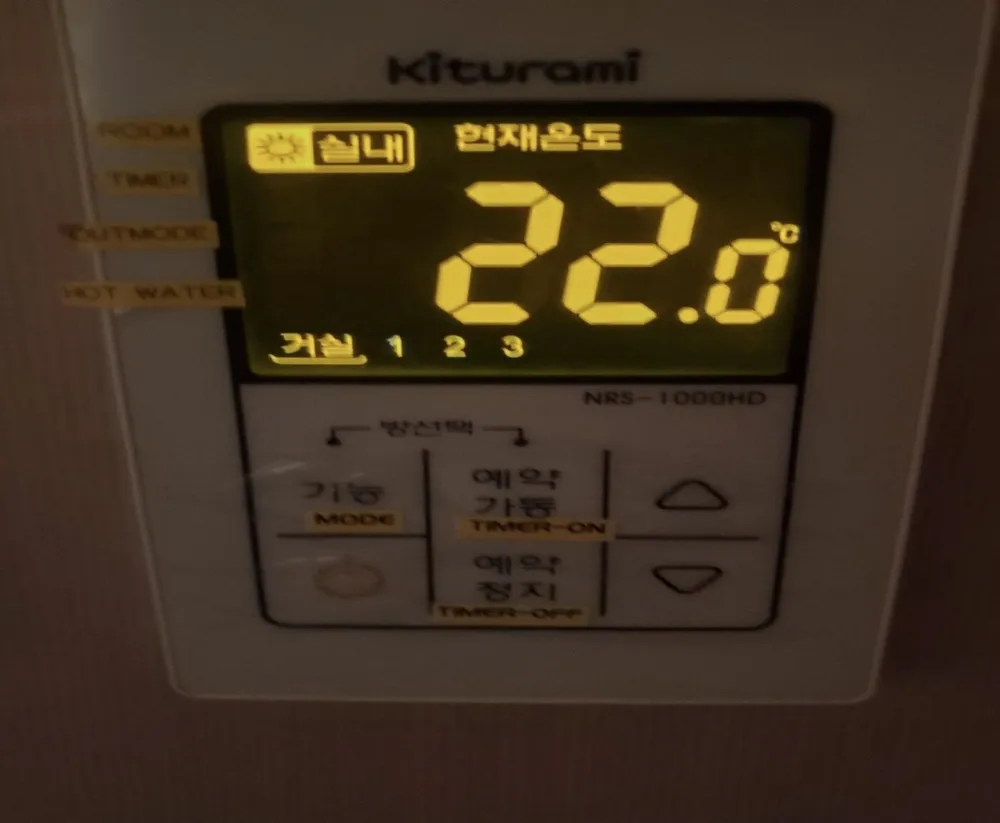 NRS-1000HDKiturami · 귀뚜라미
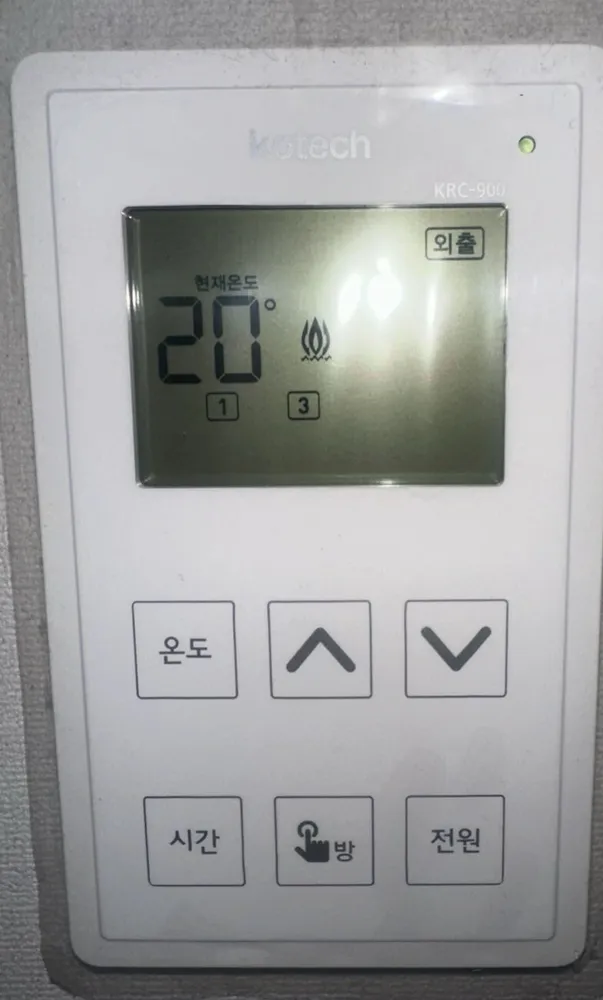 KRC-900Kotech · 코텍
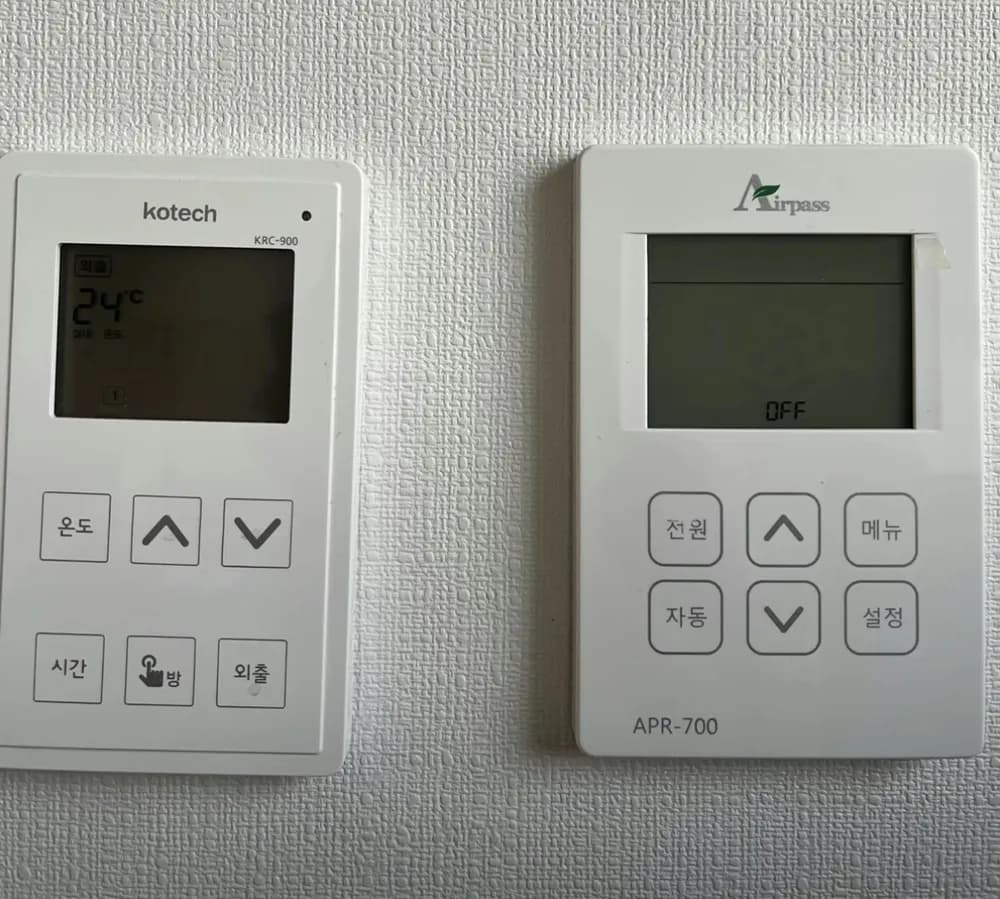 APR-700Airpass · 에어패스
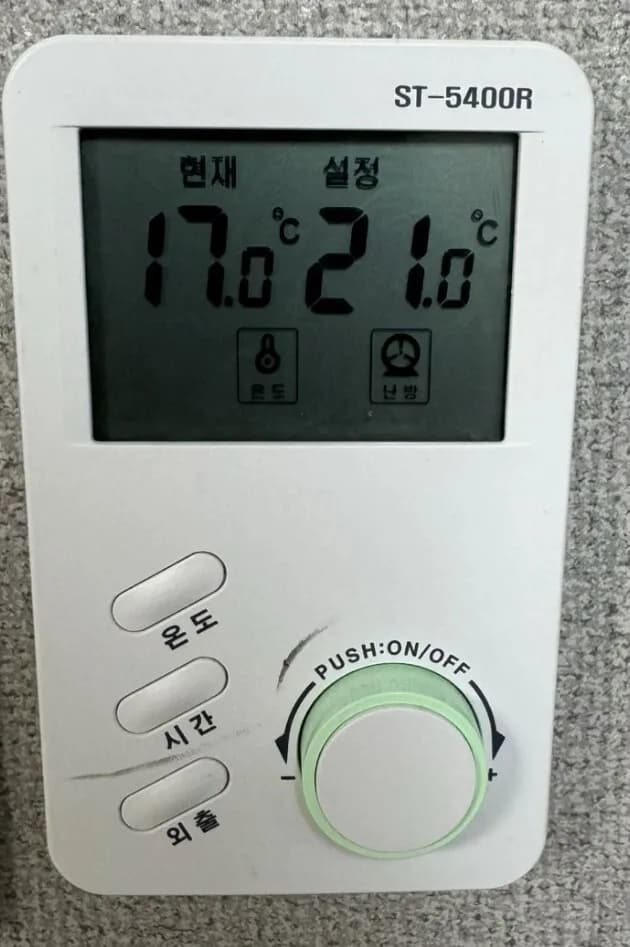 ST-5400RUnbranded · 귀뚜라미 전기보일러용 실내온도제어기
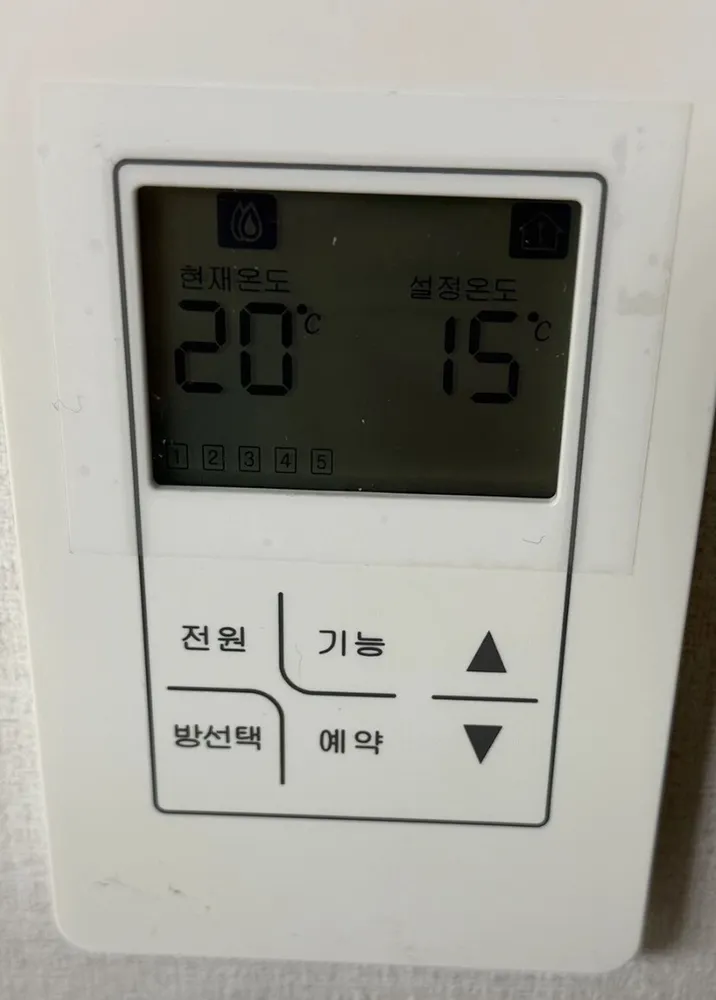 5-room zone controller (전원/기능/방선택/예약)Unbranded ·
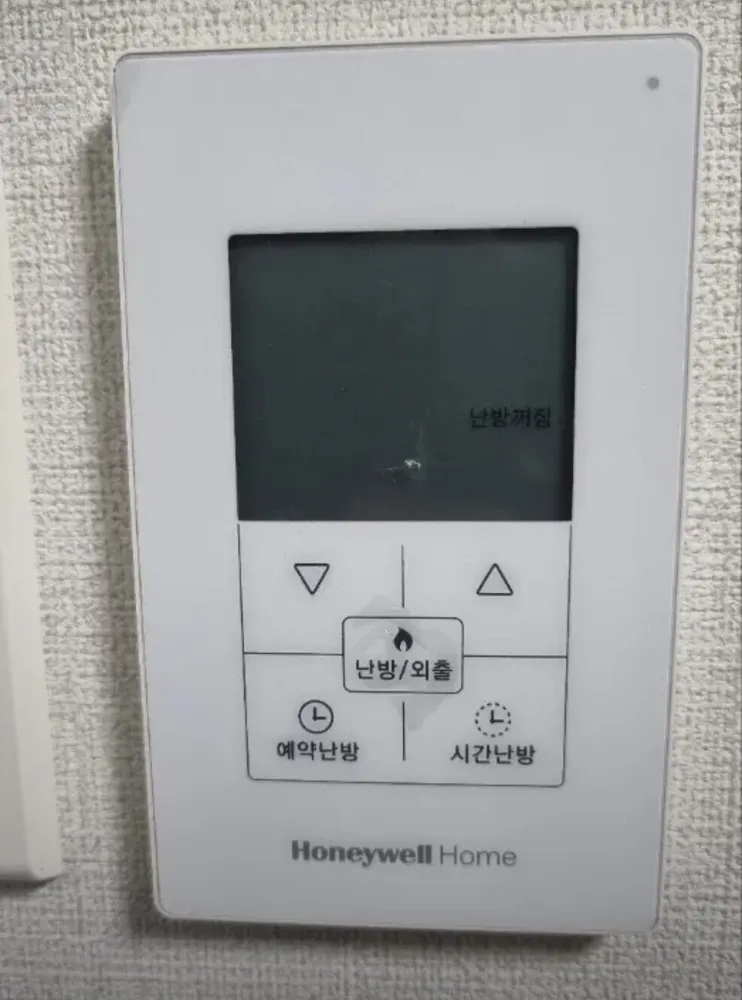 DT300 series room unit (DT300ST-R/S type)Honeywell Home · 하니웰홈
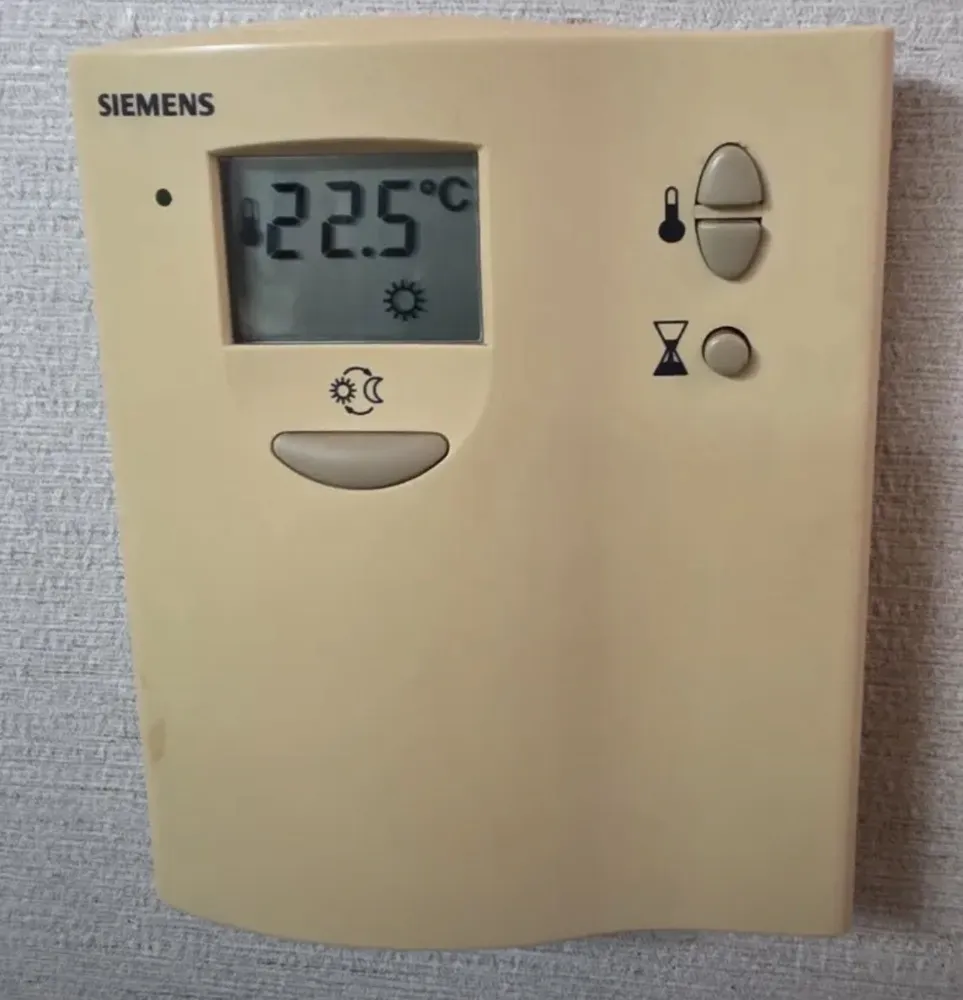 RDD10 / RDD10.1Siemens · 지멘스
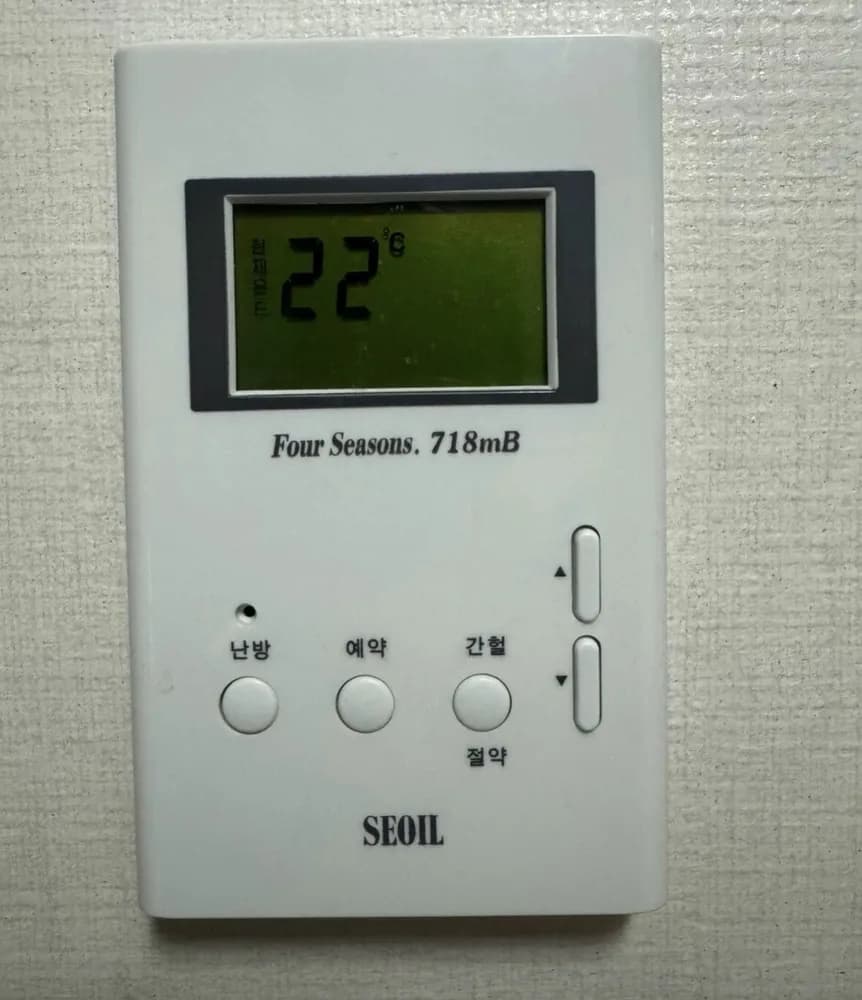 Four Seasons 718mBSEOIL · 서일
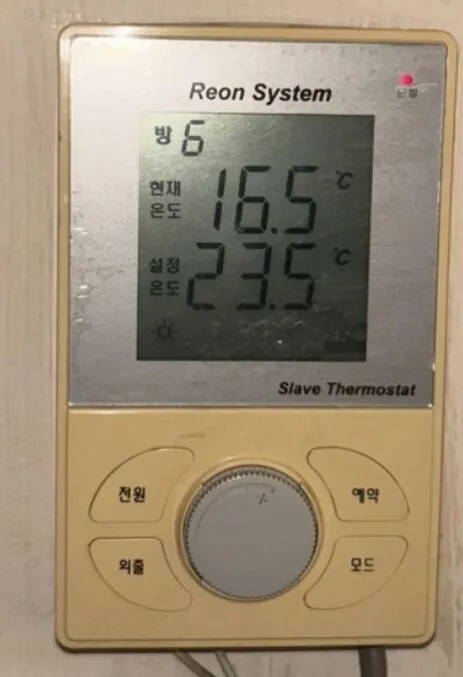 Slave ThermostatReon System · 레온시스템
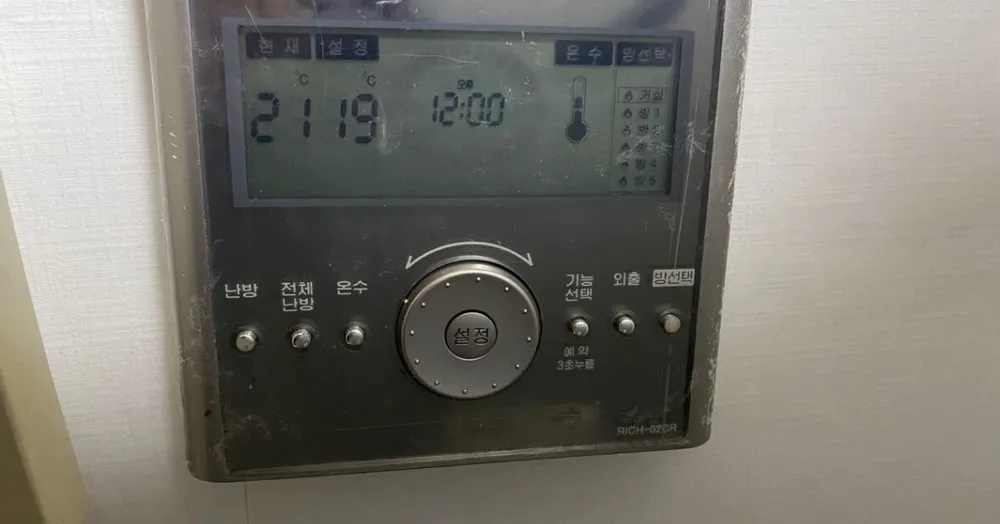 RICH-02CRRinnai · 린나이
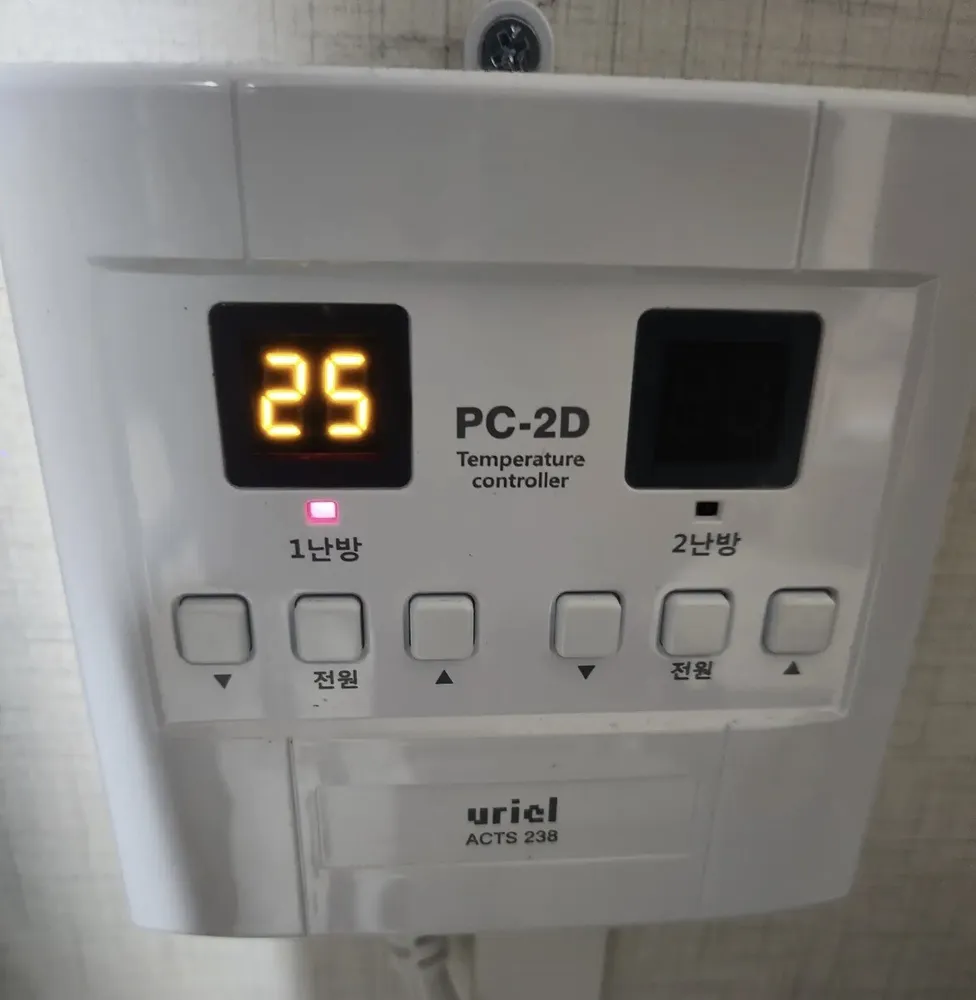 PC-2DUriel · 우리엘전자
Not there? Send us a photo of your panel and we will email you an English breakdown. Every new panel goes into the boiler finder for the next person.
Ondol (온돌, "warm stone") is Korea's floor heating. The traditional version, called gudeul (구들), sent smoke from a kitchen firebox through channels under stone slabs, so the floor itself became the radiator. Ondol scenes appear in a Goguryeo tomb mural from around 357 CE, and full-floor ondol was common by late Goryeo (Encyclopedia of Korean Culture).
Today's ondol works the same way, with water instead of smoke. A gas boiler heats water and pumps it through plastic pipes set in about 4 cm of cement under your floor (KS section study). The floor warms, then the air warms from the bottom up. That is why Koreans sit, sleep and eat close to the floor, and why taking shoes off indoors matters. The switch from coal briquettes to hot-water boilers came in the 1960s, partly because briquette smoke caused carbon-monoxide poisoning (Wikipedia: Ondol).
Ondol culture (온돌문화) was designated a National Intangible Cultural Heritage of Korea on 30 April 2018. It is not on a UNESCO list, despite what some travel sites say (Encyclopedia of Korean Culture).
What this means for you:
- Floors heat slowly and cool slowly. A cold room can take an hour to feel warm. Steady settings beat quick blasts.
- The same boiler makes your hot water. Heating and showers come out of one gas meter and one bill.
Not every Korean home has its own boiler. Check this before you read further, because the rules flip for district heating.
| System | How to spot it | Who bills you | The one rule |
|---|---|---|---|
| 개별난방, individual gas boiler (most villas, one-rooms, officetels, older apartments) | A boiler on the balcony, in the utility room or kitchen; brand-name panel on the wall | Separate city-gas bill (Yesco, Seoul City Gas and others), metered in m³ | Everything in this guide applies |
| 지역난방, district heating (large newer apartment complexes) | No boiler in the unit; a heat exchanger and valves under the sink; a room thermostat on the wall | Inside your 관리비 (management fee) | Never switch the thermostat off in winter; raise it 0.5–1°C at a time |
| 중앙난방, central heating (some older complexes) | No boiler; heat comes on at set building hours | 관리비, often by floor area | Little control; use room valves and the tips below |
| Electric floor panels or electric boiler (some officetels, rooftop rooms) | No gas meter; a small electric controller, often with "1난방 / 2난방" | Electricity bill (KEPCO), which rises in tiers as you use more | Most expensive heat per hour; keep it low and steady |
Sources: Navien and Korea Energy Agency guidance via Segye Ilbo; Seoul district-heating guidance on Seoul Media Hub.
With district heating, cutting power to the thermostat makes the valves open as freeze protection, and your bill rises. Use its 외출 (away) setting only for absences of three days or more (Segye Ilbo).
Next: How do I use a Korean boiler? The buttons every panel shares ↓Use room mode (실내) if your home is reasonably insulated and the wall thermostat is away from doors, windows and heaters. It switches the burner off once the air hits your target, so it wastes the least gas.
Use floor mode (온돌) if your home is drafty, your thermostat sits next to the front door or a window, or you sleep on a floor mattress. In a draft, the room sensor never "feels" warm, so room mode would fire non-stop. Floor mode instead holds the floor water at a fixed level. Rinnai and Navien both give this advice (Segye Ilbo).
In floor mode, start in the middle of the scale and adjust one step a day. A floor that is hot to bare feet is too high.
Next: What temperature should I set? ↓Set 20°C. Korea's Ministry of Climate, Energy and Environment launched a "heating at 20°C" campaign in December 2025 (Korea.kr). The National Health Insurance Service and the Korea Disease Control and Prevention Agency recommend 18–20°C, and Seoul suggests 16–18°C for bedrooms (Seoul Media Hub).
Every 1°C you lower cuts heating energy by about 7%, roughly ₩5,150 a month for an average Seoul household, according to the Korea Energy Agency as quoted by the ministry (Segye Ilbo). Hot water is a separate setting: 40–50°C is enough for showers (Korea.kr).
Next: Should I turn the boiler off or use 외출 when I leave? ↓Usually neither. The most common expat advice, "press 외출 every time you leave", is wrong for short trips. Away mode fires only when the room falls to about 5–8°C, so for a day out it behaves almost like off. You then pay to reheat the cold floor and walls when you return (YTN fact check).
| You are away for… | Individual gas boiler | District heating |
|---|---|---|
| A few hours (work, class) | Lower 1–2°C, keep the same mode | Lower 0.5–1°C, keep it on |
| Overnight trip | Lower to about 16–17°C | Lower 1–2°C, keep it on |
| 3+ days | 외출 (away) mode; power stays on | Away mode; never cut power |
| Summer | 온수전용 (hot water only) | Heating off at the thermostat is fine |
| Cold snap (−10°C or below) while away | 외출 or 15°C, plus a dripping tap | Keep heating on low |
Sources: Navien and Korea Energy Agency guidance (Segye Ilbo); YTN.
No manufacturer or government lab has published a controlled test of away versus off, so treat this as expert guidance, not measured fact. The one household test we found (a 20-year-old villa, 2014) recorded the timer method using about 1.5 times the gas of a steady evening setting (OhmyNews).
What about the timer (예약)? It runs the boiler on a cycle, such as 20 minutes every 3 hours. It is useful in a small, well-sealed room you are out of most of the day, and as a gentle overnight setting. In a large or drafty home, a steady low setting usually costs less.
Next: How much does heating cost in Korea? ↓Here is what gas actually cost in 15 SharedHomies houses in Seoul over 14 months, taken from our own Yesco and Seoul City Gas accounts. Each house has 1–3 rooms, and the figures include hot water and cooking gas.
| Bill month | Median bill per house | Median per room |
|---|---|---|
| Aug 2025 | ₩14,340 | ₩6,369 |
| Nov 2025 | ₩25,250 | ₩12,625 |
| Dec 2025 | ₩71,050 | ₩34,393 |
| Jan 2026 | ₩173,020 | ₩66,987 |
| Feb 2026 | ₩182,590 | ₩78,517 |
| Mar 2026 | ₩149,410 | ₩71,347 |
| Apr 2026 | ₩97,270 | ₩37,363 |
| May 2026 | ₩38,970 | ₩17,360 |
| Aug 2026 | ₩11,750 | ₩4,325 |
What the data says:
- The spike is January to March. The February 2026 median (₩182,590) was about 12.7 times the July–August level.
- A whole winter (December–March bills) cost a median ₩601,690 per house.
- Bills lag the weather. Korean gas is metered and billed monthly, so the April bill still carries March's cold. Budget for it.
- The range is wide. At the peak, individual houses ran from about ₩102,000 to ₩341,000. Top floors, older buildings and single-glazed windows cost the most.
Seoul residential gas costs ₩22.5268 per MJ for heating and cooking, plus a ₩1,250 monthly base fee (Seoul City Gas tariff). That rate is about 13.5% higher than in January 2023 (Nate News). For a national comparison, KOGAS put the average household's gas heating bill at ₩126,000 in January 2025 (Segye Ilbo). For the money side in more depth, see our breakdown of Seoul winter gas bills.
Next: What are the best heating hacks in Korea? ↓Ranked by how much they save and how solid the evidence is.
- Hold 20°C and lower 1–2°C when out. About 7% saved per degree (Segye Ilbo).
- Pick the right mode. Floor mode in a drafty room stops non-stop firing; room mode elsewhere.
- Dress for the house. Long underwear adds an estimated 3–4°C of felt warmth and a cardigan about 2°C, worth roughly ₩10,300 a month (Korea.kr; Seoul Media Hub).
- Bubble wrap (뽁뽁이) on the inside of the glass. Seoul estimates +2.5–3°C on single glazing; two layers beat one (Seoul Media Hub; Korea.kr).
- Seal drafts. Weatherstrip, a door draft stopper and closed internal doors cut energy use by about 5.5% (Segye Ilbo).
- Close curtains at dusk and use a rug. Walls lose about 39% of a home's heat and windows 32% (Seoul Media Hub).
- Hot water at 40–50°C, never 고 (high), and turn taps back to cold. A tap left on hot makes the boiler reheat water nobody uses.
- Shorter showers. Five minutes less saves about 7.2% (Segye Ilbo).
- Pull furniture a few centimetres off outer walls. Warm air reaches the cold wall, which also stops mould.
- Air out for 5–10 minutes a day. Fresh dry air heats faster than damp air and keeps mould off the windows.
- Ask about the room valves (분배기). Balancing the manifold under the sink evens out cold and hot rooms; the Korea Energy Agency measured large savings (Maeil Shinmun). Ask your landlord first, and never close them in deep cold.
- Enrol in the city-gas cashback. Cut December–March gas use 3% or more against last winter and get ₩50–200 back per m³ (Korea.kr). In shared housing the account is usually the landlord's.
- A humidifier at 40–50% makes 20°C feel warmer. Comfort, not proven savings (YTN).
Bed tents and electric mats are popular, but read the safety section first.
Next: How do I stop the pipes from freezing? ↓Frozen pipes are the most expensive winter mistake in Korea, and they usually happen while the tenant is away.
- Keep the boiler plugged in and the gas valve open. Its freeze protection runs on electricity (Segye Ilbo).
- Use 외출 or about 15°C when away, never 전원 off.
- Do not close the room valves (분배기) under the sink in winter.
- When it stays at or below −5°C for days, leave a tap dripping overnight, a thin steady trickle. Check Seoul's freeze alerts on the Seoul Waterworks site.
- If water stops, do not pour boiling water on pipes. Warm the pipe with a hairdryer or warm towels and call your landlord.
Gas boilers are safe when installed correctly, but the risks are real. Between 2017 and 2021, gas-boiler accidents in Korea caused 46 casualties, mostly carbon-monoxide (CO) poisoning; the leading cause was a loose exhaust flue joint (Segye Ilbo). Since 2020, a CO alarm is required whenever a gas boiler is newly installed or replaced, but older installations may not have one (Energy Korea News).
- Look at the flue. The pipe leaving the top of your boiler should be firmly joined and lead outside. If it is loose, cracked or taped, tell your landlord the same day.
- Get a CO alarm if you have none. Put it near where you sleep.
- Headache, dizziness or nausea at home that clears outside? Open the windows, leave, and call 119.
- Electric mats cause most heating-product accidents. Electric mats and blankets were 64.2% of 4,154 heating-product accidents from 2020 to 2024, mostly burns, including low-temperature burns during sleep (Nocut News). Buy KC-certified, use a low setting, do not cover with a thick duvet or latex mattress, and unplug it when you leave (Herald K).
This guide explains settings, not repairs. Never open the boiler casing; call the A/S number printed on your panel or your landlord.
Next: Can I get help with heating costs as a foreigner? ↓Mostly no. The government's Energy Voucher (에너지바우처) requires national welfare-recipient status, which E-2, E-7, D-2, F-2 and F-4 visa holders do not have; marriage migrants raising Korean children are the main exception (wikidocs summary). The city-gas cashback above is open to any residential gas account holder.
Next: Watch it in 60 seconds ↓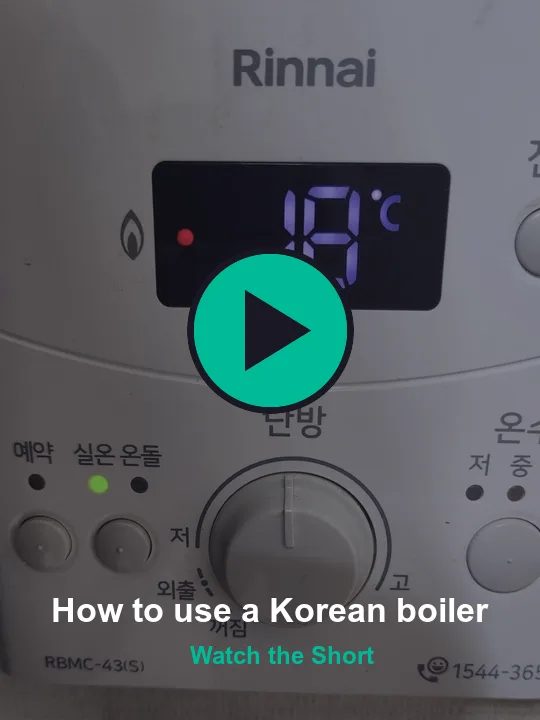
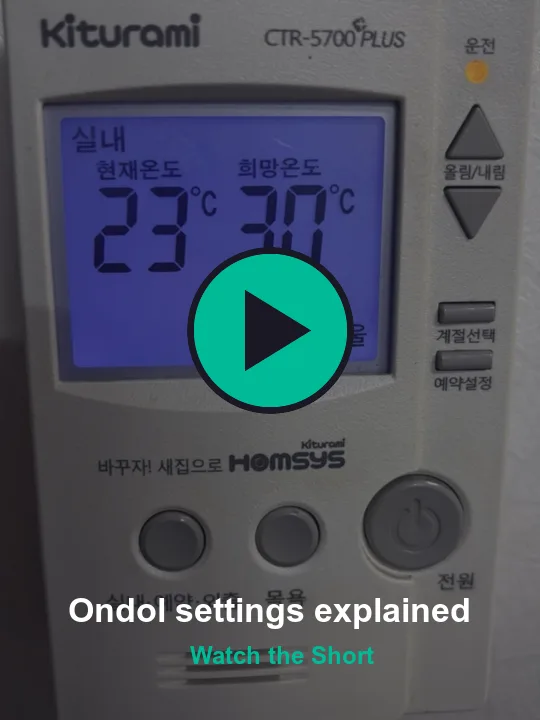
Send us one photo of your boiler panel. We reply by email with your panel in English, and add it to the boiler finder for the next person.
If you are still looking for a place, SharedHomies sets up the gas account in every house and shares each bill with the house, so you never deal with the gas company in Korean. See open rooms. Moving soon? Read the first 30 days in Seoul checklist and how daily life in Seoul works.
Frequently asked questions

F-4 visa holder operating co-living houses in Seoul since 2023. Writes about the practical reality of foreigner housing in Korea — what the friction actually costs, what it takes to live here long-term, and where the rental system trips up newcomers.
We reply within 24 hours · ★ 5.0 on Google Reviews
or browse the houses first →