한국어 없이 한국에서 일자리 찾는 법 (2026 가이드)

- 이제 272만 명의 외국인이 한국에 살아요(인구의 5.2%) — 이들을 위한 채용 시장은 실재하지만 좁아요.
- 한국 일자리 대부분은 한국어를 요구해요 — 하지만 그렇지 않은 실제 부분집합이 있고, 거기로 가는 경로는 구체적이에요.
- 영어 교육(학원, EPIK, 대학)이 가장 넓은 문이에요 — 한국어 불필요, 비자 스폰서 흔함.
- 국제팀을 갖춘 한국 테크 스타트업은 개발자, 디자이너, 프로덕트 담당자에게 가장 잠재력이 큰 선택지예요.
- Dev Korea, The Garrison, LinkedIn Korea가 시간을 들일 가치가 있는 세 플랫폼이에요. Saramin은 아니에요.
- 구직하는 동안 D-10 구직 비자는 합법적으로 6개월을 벌어줘요. F-1-D 디지털 노마드 비자는 이미 원격으로 벌고 있다면 1~2년을 줘요.
세입자들에게서 이 얘기를 정말 자주 들어요. 워킹홀리데이 비자로 와서, 서울과 사랑에 빠지고, 1년을 마치고 나서 — 여기서 합법적으로 머물며 돈을 벌 방법을 전혀 모른다는 걸 깨닫는 거죠.
그들만 그런 게 아니에요. 2024년 11월 기준으로 272만 명의 외국인이 한국에 살아요 — 전체 인구의 5.2%, 전년 대비 6.3% 늘어난 수치예요 (Korea Herald, 2024). 그중 거의 57%가 수도권에 집중돼 있어요. 이 도시에는 당신이 지금 고민하는 바로 그것을 알아내려는 외국인 커뮤니티가 어마어마하게 있어요.
먼저 냉정하고 솔직한 답부터: 한국 채용 공고의 90%는 한국어 유창성을 요구해요. Saramin, Jobkorea, Naver Jobs를 열어 보면, 대부분은 비즈니스 한국어를 필요로 해요. 그게 그냥 현실이에요.
하지만 그렇지 않은 실제 10%가 있어요 — 어디를 봐야 하는지, 실제로 무엇을 두고 경쟁하는지 알고 접근하면, 경로는 보이는 것보다 훨씬 명확해요.
실제로 남는 사람은 누구인가 — 그리고 왜 일자리가 병목인가
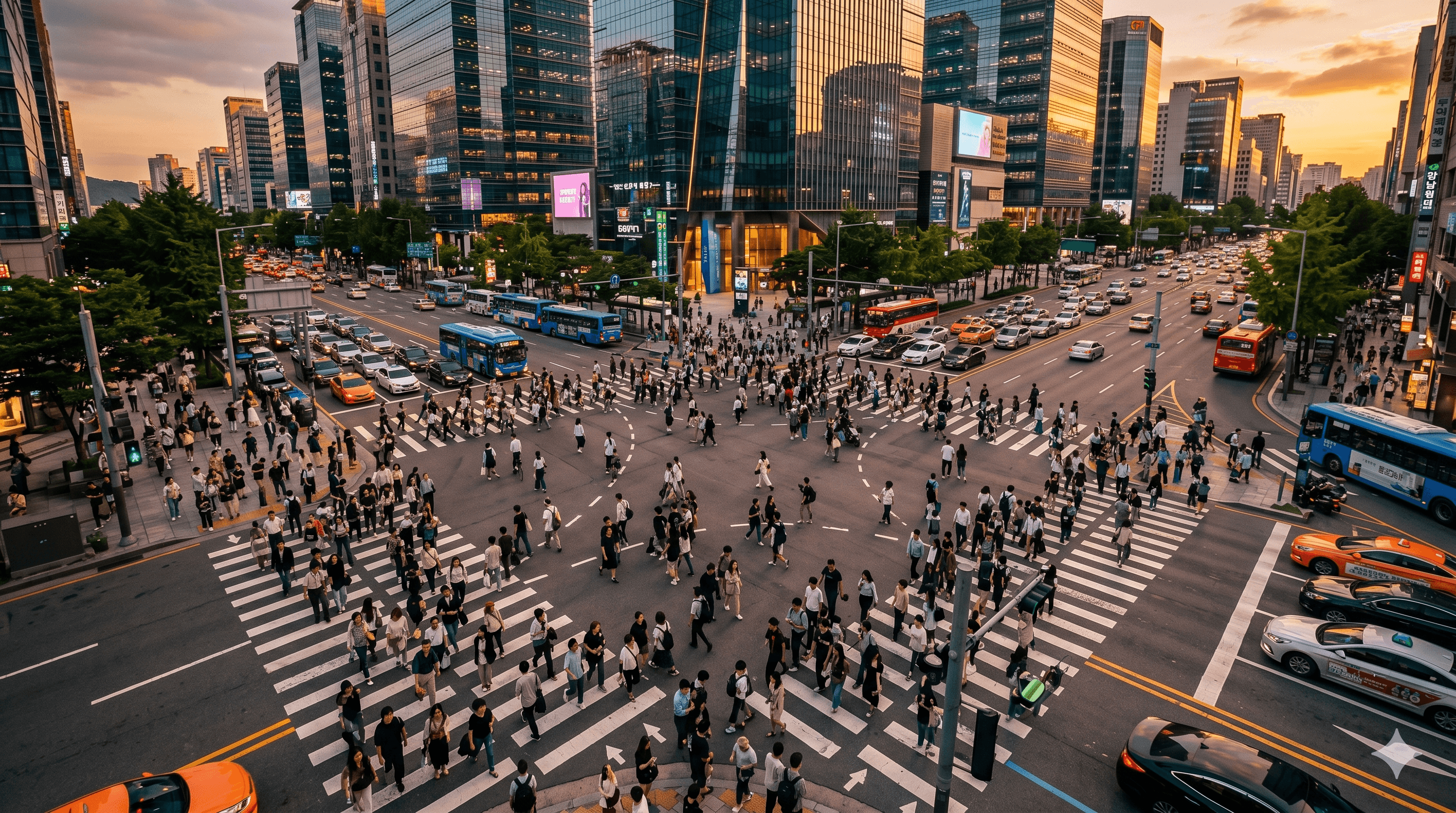 서울의 거리 — 272만 명의 외국인 거주자, 그리고 계속 늘어나는 중.
한국의 외국인 유학생 수는 2024년 208,962명에 이르렀고, 정부는 2027년까지 30만 명을 목표로 하고 있어요 (KOSTAT, 2024). 그 학생들 가운데 65.5%가 졸업 후 한국에 남고 싶다고 말해요 — 그리고 36.2%가 취업을 남고 싶은 주된 이유로 꼽아요.
"남고 싶다"와 "합법적으로 취업 상태로 남는 법을 안다" 사이의 간극, 바로 거기서 대부분이 막혀요. 한국의 전체 외국인 노동력은 국제노동기구(ILO) 측정으로 2018년 92만 9천 명(노동인구의 3.3%)이었고 (ILO, 2024) — 이후로 크게 늘었어요. 그 집단 중 전문직 계층 — 내 세입자 대부분이 속한 영어 교육, 테크, 기업 부문 — 은 자기만의 공략법이 있는, 훨씬 작은 조각이에요.
OECD의 2024년 한국 이주 보고서는 2022년 한 해에만 한국이 16만 건의 임시·계절 노동 이주 허가와 5만 7천 건의 고등교육 유학생 허가를 발급했다고 밝혔어요 (OECD 국제이주전망 2024). 파이프라인은 존재해요. 그 안으로 들어가는 올바른 문을 찾는 게 문제죠.
한국에서 영어로 가능한 일자리의 솔직한 지도
1. 영어 교육 — 가장 넓은 문
한국어 없는 외국인에게 여전히 가장 접근하기 쉬운 진입점이에요. 세 가지 주요 형태가 있어요:
EPIK(English Program in Korea) 은 영어 원어민을 전국 공립학교에 배치해요. 급여: 경력에 따라 월 180만~270만 원, 여기에 주거 수당, 항공권, 건강보험이 더해져요. E-2 비자는 학교가 직접 스폰서해요. 지원은 3월·9월 입사 기준으로 1년에 두 번 열려요. 교육 경력은 필요 없어요 — 학위와 깨끗한 신원조회가 주요 요건이에요.
사설 학원(학원) 교육은 상한 급여가 더 높지만(프리미엄 회화 학원에서 월 220만~350만 원 이상) 주거 지원이 없고, 계약 조건이 천차만별이에요. E-2 비자는 여전히 고용주가 스폰서해요. 근로 조건은 EPIK보다 규제가 덜하니 — 서명 전에 Hagwon Blacklist와 Dave's ESL Cafe에서 계약을 확인하세요.
대학 수준 영어(EFL) 강의 가 가장 편안한 형태예요 — 학기제 일정, 전문적인 환경, 더 많은 자율성. 석사 학위나 대학 강의 경력 없이는 얻기 더 어렵지만, 둘 중 하나가 있다면 노려볼 만해요.
2. 외국계 회사와 국제 자회사
많은 다국적 기업이 완전히 영어로 운영되는 서울 오피스를 두고 있어요 — 특히 금융, 컨설팅, 제조, 테크 분야에서요. Google Korea, Amazon Korea, Meta Korea, Siemens, BASF, Deloitte, 그리고 주요 국제 로펌 모두 영어 사용 팀을 갖춘 서울 사업장을 두고 있어요.
이런 직무는 한국어를 요구하지 않는다는 바로 그 이유 때문에 경쟁이 치열해요 — 영어를 하는 한국인과 경력 있는 외국인을 상대로 겨루게 되죠. 하지만 실재하고, 글로벌 동종 직무와 같은 채널에 올라와요.
3. 한국 테크 스타트업과 게임 회사
 한국의 스타트업 생태계는 세계 상위 20위 안에 들어요 — 그리고 영어 사용자를 적극적으로 채용하고 있어요.
개발자, 디자이너, 프로덕트 매니저, 데이터 담당자에게 가장 잠재력이 큰 선택지예요.
한국의 스타트업 생태계는 외부인 대부분이 생각하는 것보다 커요. 2024년 한국의 벤처 캐피털 투자는 전년 대비 9.5% 증가해 89억 5천만 달러에 이르렀어요 (KoreaTechDesk, 2024). 2024년 테크 일자리 수요는 12% 성장할 것으로 전망되며, 가장 큰 공백은 AI, 사이버보안, 클라우드 컴퓨팅에 있어요. 쿠팡(한국의 아마존), 크래프톤(PUBG), 엔씨소프트, 카카오, 토스 같은 회사들이 국제적으로 규모를 키웠고 — 그 뒤를 잇는 수십 개의 VC 투자 스타트업이 글로벌 시장을 겨냥해 만들고 있어요.
국제 투자자를 두었거나 제품이 글로벌 범위인 회사들은 영어만 하는 시니어 엔지니어를 점점 더 많이 채용해요. 그러지 않으면 그 후보자들을 더 높은 급여의 미국 시장에 뺏기기 때문이죠. 현실적인 타깃 풀: 국제 자본이 뒷받침하는 회사의 중급~시니어 직무예요. 이런 회사의 주니어 직무는 여전히 한국인 후보자에게 돌아가는 경향이 있어요. 커리어 초기라면, 영어 교육이나 원격 근무가 단기적으로 더 실현 가능한 수예요.
4. 외국 고용주를 위한 원격 근무
이미 원격 일자리가 있다면 — 또는 하나 구할 수 있다면 — 기존 소득을 유지하면서 F-1-D 디지털 노마드 비자로 한국에 합법적으로 살 수 있어요. 2024년에 도입된 F-1-D는 비한국 고용주로부터 연 8,400만 원 이상(약 66,000 USD)의 소득을 요구해요. 시니어 원격 근로자에게는 "시간과 안정을 사는" 정당한 선택지예요 — 서울에 살면서, 한편으로 한국 직무를 찾고, 뭔가 잡히면 E-7으로 전환하세요.
실제로 통하는 플랫폼
Dev Korea — 서울의 외국인 개발자 커뮤니티
Dev Korea는 스스로를 "한국 내 영어 사용자를 위한 1위 테크 채용 플랫폼"이라고 소개하는데 — 개발자에게는 그럴 자격이 있어요. 서울의 외국인 엔지니어와 디자이너를 위해 특별히 만들어졌어요: 정기 밋업, 영어 친화적인 한국 회사 채용이 정리된 게시판, 그리고 어떤 채용 게시판도 흉내 낼 수 없는 회원-채용 담당자 간 직접 연결까지요.
진짜 가치는 공고가 아니라 — 커뮤니티의 정보력이에요. 회원들은 어떤 회사가 실제로 영어로 돌아가는 팀을 두었는지, 어떤 회사가 그렇다고 말하면서 실제로는 일상에서 한국어를 기대하는지를 공유해요. 그 현장의 진실은 다른 데서 얻기 어려워요.
서울의 개발자라면, 어디든 지원하기 전에 Dev Korea 밋업에 참석하세요. 거기서의 대화 한 번이 LinkedIn 콜드 지원 스무 번의 가치가 있어요.
The Garrison — 외국인 전문직 네트워크
The Garrison은 한국에서 커리어를 쌓는 외국인을 위해 엄선된 전문직 커뮤니티예요. 금융, 컨설팅, 사업 개발, 마케팅, 오퍼레이션 담당자들이 개발자와 함께 이용해요. 네트워킹 이벤트를 운영하고, 회원 간 소개를 하며, 국제적으로 적극 채용 중인 한국 기반 회사의 채용 정보를 올려요.
Dev Korea가 다루지 않는 전문직 외국인 스펙트럼을 아우르니 — 엔지니어가 아니라면 여기서 시작하세요.
LinkedIn Korea — 필터링하면 유용함
LinkedIn은 한국 구직에 통하지만, 공격적으로 필터링해야 해요. (Dev Korea나 The Garrison을 통해) 영어 친화적인 타깃을 파악한 뒤에는 직무명이 아니라 회사명으로 검색하세요 — 직무명 기반 검색 대부분은 한국어 필수 공고를 띄워요.
팁:
- 위치를 서울로 구체적으로 지정해 "Open to Work"를 설정하세요
- 노리는 한국 회사를 팔로우하고 그들의 게시 활동을 직접 지켜보세요
- 한국 거주 외국인 전문직을 위한 LinkedIn 그룹에 가입하세요 — 채용 게시판 알림보다 채용 정보가 더 빨리 떠요
Startup Korea — 생태계 정보
Startup Korea는 채용 게시판은 아니지만 리서치에 유용해요: 어떤 스타트업이 방금 투자를 받았는지(= 채용 중), 어떤 액셀러레이터 기수가 활동 중인지, 창업자를 만나러 참석할 만한 이벤트가 무엇인지. 지원용이 아니라 타깃 회사 리스트를 짜는 데 쓰세요.
건너뛸 것
Saramin, Jobkorea, Naver Jobs — 절대다수의 공고가 한국어를 요구해요. 한국어를 모르는 외국인에게는 신호 대 잡음 비율이 아주 낮아요. 여기서 검색을 시작하지 마세요.
찾는 동안 비자 정리하기
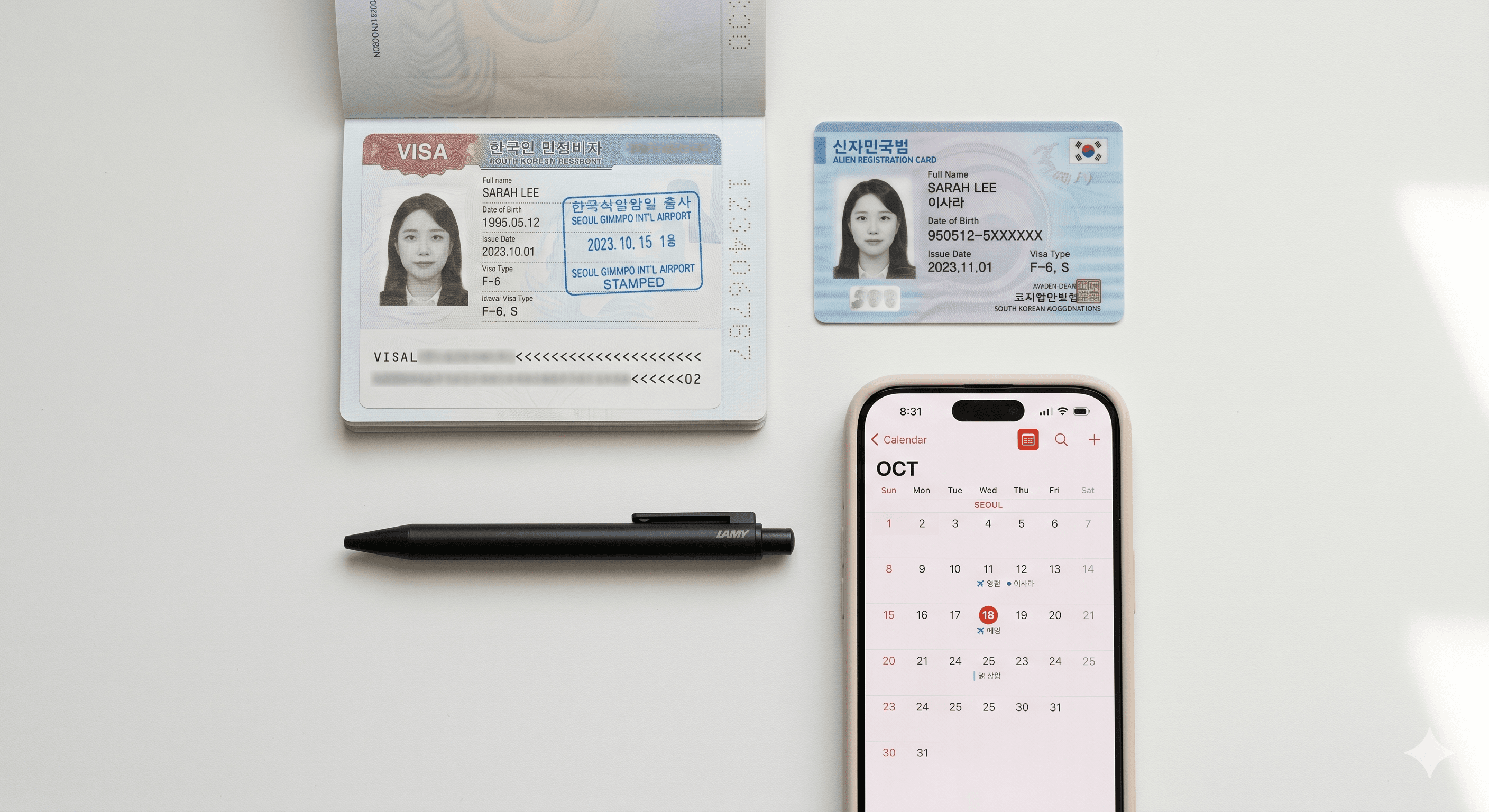 비자 상황이 나머지 모든 걸 좌우해요 — 지원을 시작하기 전에 이걸 정리하세요.
대부분의 사람이 너무 늦게 깨닫는 부분이에요.
워킹홀리데이(H-1)라면: 비자는 12개월에 만료되고 연장이 없어요. 만료 전에 E-7 일자리 제안을 받으면, 국내에서 또는 일본·홍콩 영사관 방문을 통해 전환해요. 만료 시점까지 제안이 없으면 = 한국을 떠나 다른 비자로 재입국해요.
D-10 구직 비자 는 적극적으로 찾는 동안 한국에서 6개월의 합법 체류를 줘요. 학위와 적극적 구직 증빙(지원 내역, 리크루터 등록, 면접 기록)이 필요해요. 일하는 건 허용되지 않아요 — 합법적으로 머물며 찾는 것만요. 6개월 더 한 번 갱신할 수 있어요. 거주지 관할 출입국사무소에 신청하세요.
F-1-D 디지털 노마드 비자 는 이미 외국 원격 소득이 8,400만 원 이상(약 66,000 USD)이라면 가장 깔끔한 경로예요. 1~2년의 합법 거주, 은행 계좌 개설, NHIS 이용까지요. 한편으로 한국 직무를 찾고, 뭔가 잡히면 E-7으로 전환하세요.
D-2 또는 D-4(학생/어학 프로그램)라면: 출입국의 시간제 취업 허가를 받으면 시간제 근무(주 최대 20시간)가 허용돼요. 내 세입자 중 일부는 학생 비자로 지내는 동안 이걸 활용해 영어 교육이나 콘텐츠 경력을 쌓아요 — 나중에 정식 E-2나 E-7으로 가는 정당한 경로죠.
갓 졸업한 사람을 위한 실전 순서
내 세입자 대부분은 2327세이고, 막 학위를 마쳤으며, 워킹홀리데이나 학생 비자로 612개월째 한국에 있어요. 실제로 통하는 순서는 이래요:
- 먼저 안정적인 집을 구하세요. 조용한 방, 믿을 만한 Wi-Fi, 그리고 외국인등록증 준비가 된 주소. 게스트하우스나 벽이 종잇장 같은 고시원에서는 면접을 잘 볼 수 없어요.
- 소득과 합법적 신분을 만들기 위해 영어 교육으로 시작하세요. 학원이나 EPIK. 그건 당신의 커리어가 아니에요 — 다리예요.
- Dev Korea 밋업과 The Garrison 이벤트에 참석하세요. 필요해지기 전에 네트워크를 쌓으세요.
- 아직 제안이 없다면 워킹홀리데이 만료가 다가올 때 D-10을 신청하세요 — 떠나지 않고 6개월을 더 벌어줘요.
- E-7으로 전환하세요 — 영어 업무 환경을 갖춘 한국 회사에서 일자리 제안을 받은 뒤에요.
해내는 사람들이 반드시 한국어를 가장 잘하거나 서류상 가장 뛰어난 건 아니에요. 그들은 집과 소득을 먼저 안정시키고, 그다음에 커리어라는 긴 게임을 하는 사람들이에요.
출처
- Korea Herald — 한국 내 외국인 거주자 280만 명 돌파 (2024)
- KOSTAT — 2024 이민자 체류실태 및 고용조사
- OECD — 국제이주전망 2024: 한국
- ILO — 대한민국의 국제 노동 이주 측정 (2024)
- KoreaTechDesk — 한국은 글로벌 인재를 끌어들이지만, 채용은 여전히 좁은 길을 따른다
Steve Wagner는 서울의 코리빙 운영사 Shared Homies의 창업자예요. 2016년부터 한국에서 살며 일하고 있어요. 한국에서 일자리 찾는 것에 대해 궁금한 점이 있나요? WhatsApp으로 물어보세요 — 직접 답해드려요.
자주 묻는 질문

F-4 visa holder operating co-living houses in Seoul since 2023. Writes about the practical reality of foreigner housing in Korea — what the friction actually costs, what it takes to live here long-term, and where the rental system trips up newcomers.
함께 읽으면 좋은 글

Working Holiday Accommodation Seoul: A 2026 Guide for Foreigners in Korea
A step-by-step 2026 housing playbook for H-1 working holiday makers in Seoul: budgets, neighborhoods, contracts, and how to book before you land.
10분 분량
Working Holiday in Korea: A 2026 Guide for Foreigners
A step-by-step 2026 guide to the H-1 working holiday visa in Korea: eligibility, application, arrival setup, housing, and job hunting.
6분 분량
Working Holiday in Korea vs Japan: Which Should Be Your Asia Home Base? (2026)
Korea and Japan both offer working holiday visas for ages 18–30 — 12 months standard, and Korea grants some nationalities up to 24. Japan's program is bigger and more open; Korea is cheaper, easier to base yourself in, and a better launchpad for the rest of Asia. Here's the honest, numbers-first comparison.
8분 분량